Women and Youth Entrepreneurs shaping a fair Africa-Europe Circular Economy
By Cidney Njeri
Creativity is thinking up new things. Innovation is doing new things - Theodore Levitt. Ideas in motion, partnerships in Action. This was the theme of the Africa-Europe Innovation Dialogues 2026, which brought up conversations on how we can transform innovation dialogues into action through partnerships.
The Youth Café had the opportunity to moderate the Youth Entrepreneurship Lab on the Circular Economy theme. With an attendance of 29 participants (16 women and 14 youth), the session brought together stakeholders interested in or involved in the Circular Economy sector and discussed key issues around the sector.
In addition, the session’s objective was to give youth and women entrepreneurs and innovators a platform to share lived experiences, challenges, and solutions as they navigate the circular economy; to move participants from discussion into challenge definition, solution ideation, and refinement so that the session produced concrete outputs rather than open dialogue alone; and to strengthen networking and peer learning between African and European young innovators.
During the session, participants discussed in three groups, and the key takeaways are set out below:
Question 1: What practical barriers do youth and women face in the circular economy sector?
Youth and women are among the most likely to gain from the circular economy sector, yet they face barriers hindering them from accessing its enterprises, leadership and decision-making spaces. As the youth are the future of our planet, they are key to a credible green transition, and, according to the Waste Management World, it is noted that women visibly work in informal recycling centres, for example, collecting waste without protective gear.
The European Environment Agency reports that, between 2014 and 2023, the number of jobs linked to the circular economy in the EU-27 grew by 10% to around 4.4 million, showing that while the circular economy creates new jobs, some are low-paid or insecure, and higher-skilled roles often benefit already advantaged groups, highlighting the need to improve job quality, strengthen skills development and ensure more inclusive access to opportunities.
Youth and women’s limited participation is not only a matter of interest or capability, but also of practical obstacles that shape who can enter the sector, who can grow within it and who benefits from it. Understanding them is a first step toward designing programmes and policies that open the circular economy to the people best placed to drive it.
The takeaways below examine barriers that came up in group one:
Lack of green skills, market knowledge and awareness.
Cause: Inadequate training, limited exposure to technical experts, limited infrastructure, and educational resources.
Impact: Hinders youth and women from effectively participating in green entrepreneurship
Lack of transparent access to finance and funding.
Cause: Having an unprofitable business model
Impact: Hinders entrepreneurs and innovators from being established
Complex governance structures, regulations and registration hurdles.
Cause: Unclear regulatory frameworks, high costs of operating businesses due to national, regional or international regulations
Impact: Creates operational bottlenecks for emerging businesses or innovations
Exclusion from policy and decision-making in high-level conferences.
Cause: Power imbalances and financial barriers that favour large corporations and Global North countries as opposed to grassroots and developing countries.
Impact: Policies that fail to address women- and youth-led innovation
Concentration in informal or low-value roles.
Cause: Men dominate high-value formal roles in co-design, engineering and corporate leadership, while women are stuck in labour-intensive, hazardous, and low-paid roles, for reasons such as unequal access to education and deep-rooted societal norms.
Impact: This occupational segregation traps women in precarious livelihoods and limits the overall innovation and economic potential of the green transition.
Discussions showed that both young entrepreneurs and women entrepreneurs face these challenges, with deep concern that women are more likely than men to face them, owing to deep-rooted gender norms, unequal access to technical education and structural exclusion from formal labour markets.
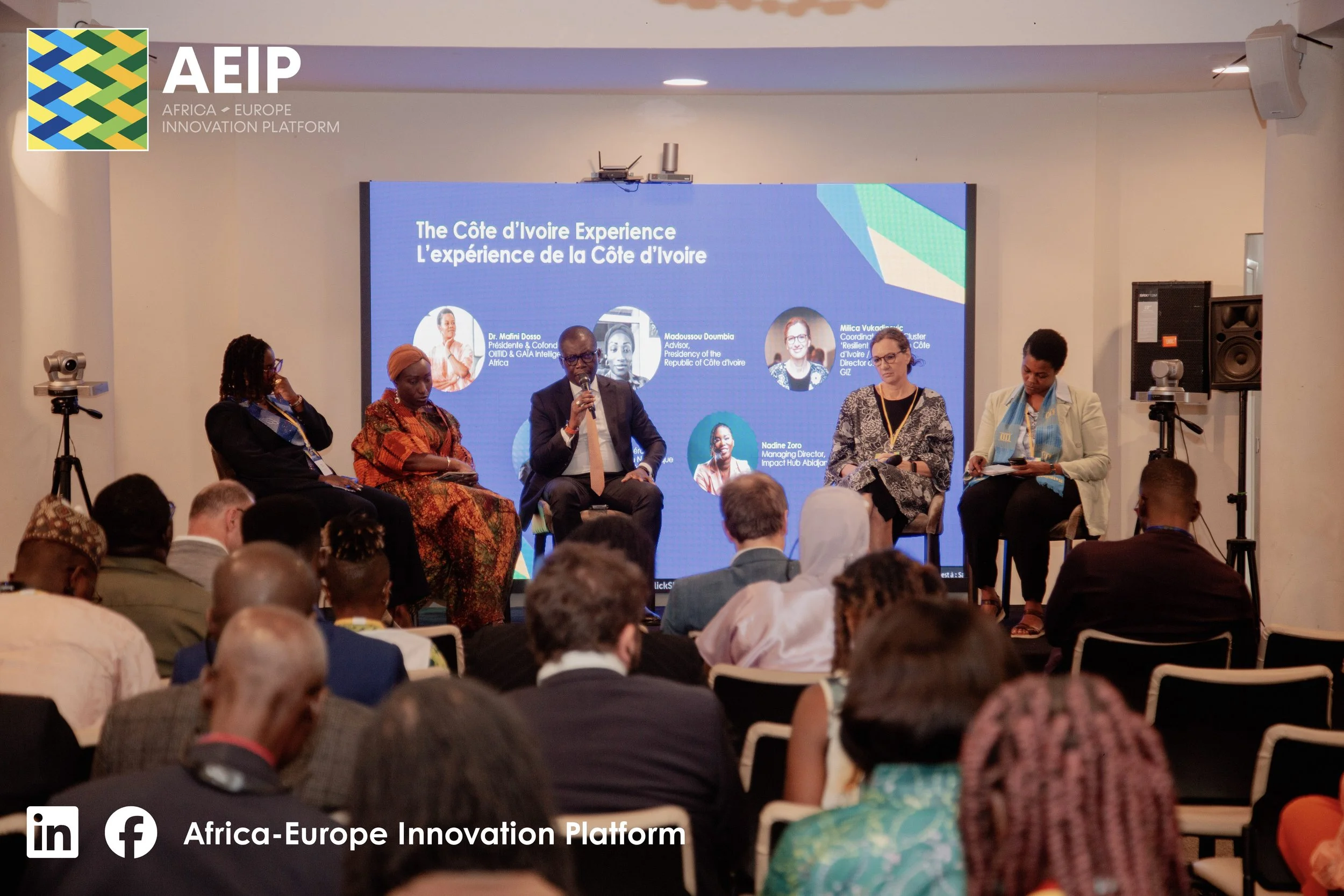
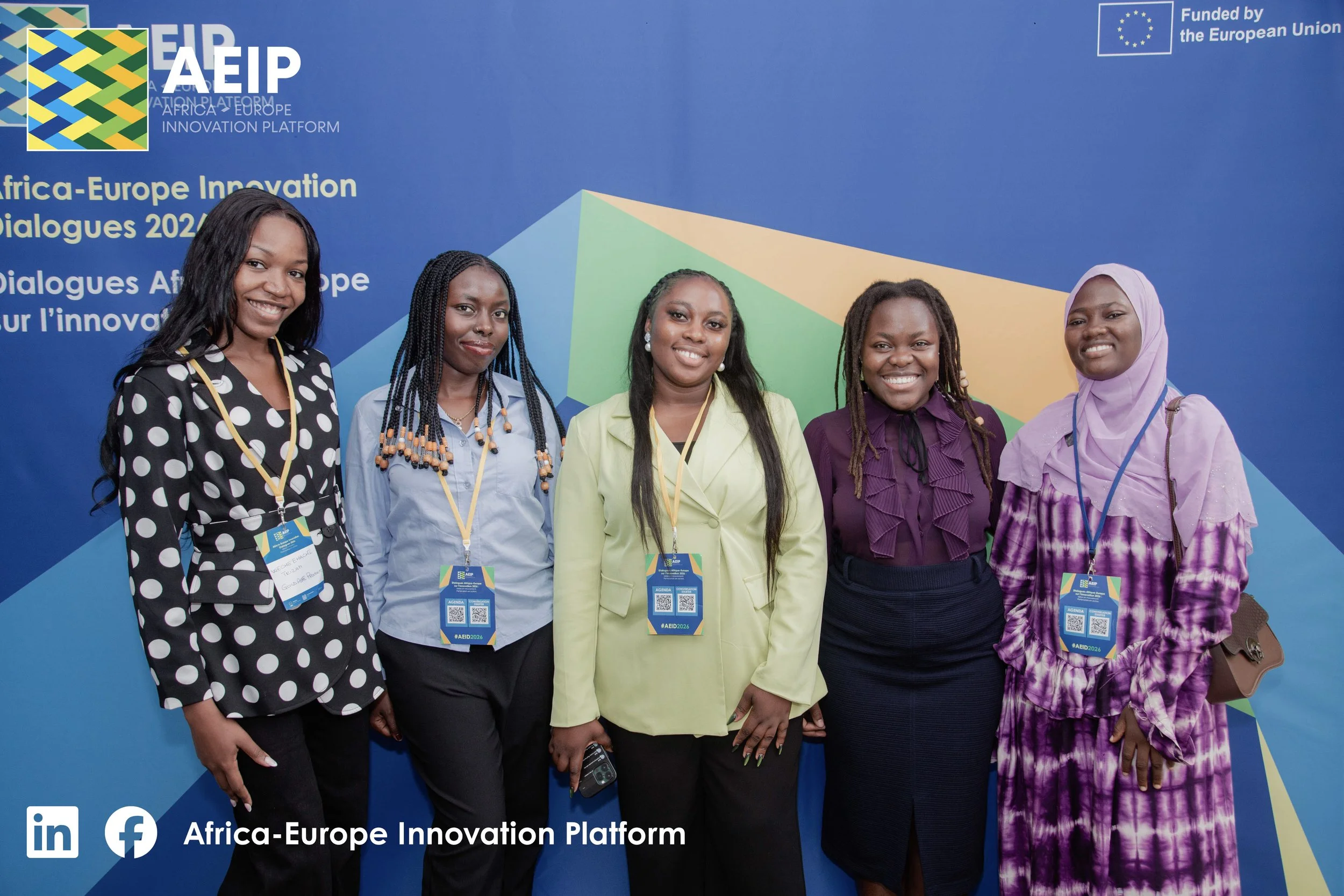
Photo caption: Africa-Europe Innovation Dialogues 2026, 3–4 November 2026.
Question 2: What would a fair Africa-Europe circular economy partnership look like?
How do we define fair partnership in the Africa-Europe context? The second group highlighted elements such as access, equity, empowerment of disadvantaged persons, shared benefits, mutual accountability and recognition of expertise in both continents.
Cecile Edorh sets out three principles for a fair AU-EU partnership: Technology transfer and finance accompanying new standards, informal workers formally recognised, and trade, development and industrial policies aligned around circular goals. A fair Africa-Europe circular economy partnership should move beyond donor-recipient and raw-material-buyer relationships toward co-investment in shared resilience.
Below are key takeaways expounding on how we can bring about a fair AU-EU partnership in the circular economy sector:
Funding terms:
Technical expertise to address and advise on gap reassessments
Reassessing what gets funded in such a way that we can address actual needs vs ‘ Western priorities’
Mindset shift from ‘receiving’ or ‘donor funding ’, thus enabling the exchange of ideas and opportunities
Stricter governance on what funding can be accepted or not
2. Intellectual Property (IP): Equal IP sharing:
Jointly developed circular technologies and knowledge are shared as mutual property, not locked behind exclusivity agreements signed before other parties are at the table.
Publicly funded circular innovations are held as open, mutual property, and privately funded ones are protected only through terms negotiated with partners, never through exclusivity agreed in advance.
Fairness means no exclusivity agreed in advance, public innovations shared as mutual property, private ones protected only on openly negotiated terms, and equal credit for every contributor, from engineers to low-wage workers.
3. Technological transfer:
Impact of technological transfer: Technology should be introduced only after considering who it benefits and who it displaces. It is noted that EU rules can raise environmental standards transition costs, which hit African exporters and informal workers who lack the resources to comply.
Solutions should be developed jointly, since the circular economy could replace extraction with co-creation and dependency with mutual sovereignty.
Needs should be revisited with local partners rather than defined externally, since prevailing definitions of the circular economy are largely Western-oriented, and a definition rooted in the Global South could place greater emphasis on redistribution and fairness, principles already present in everyday local circular practices.
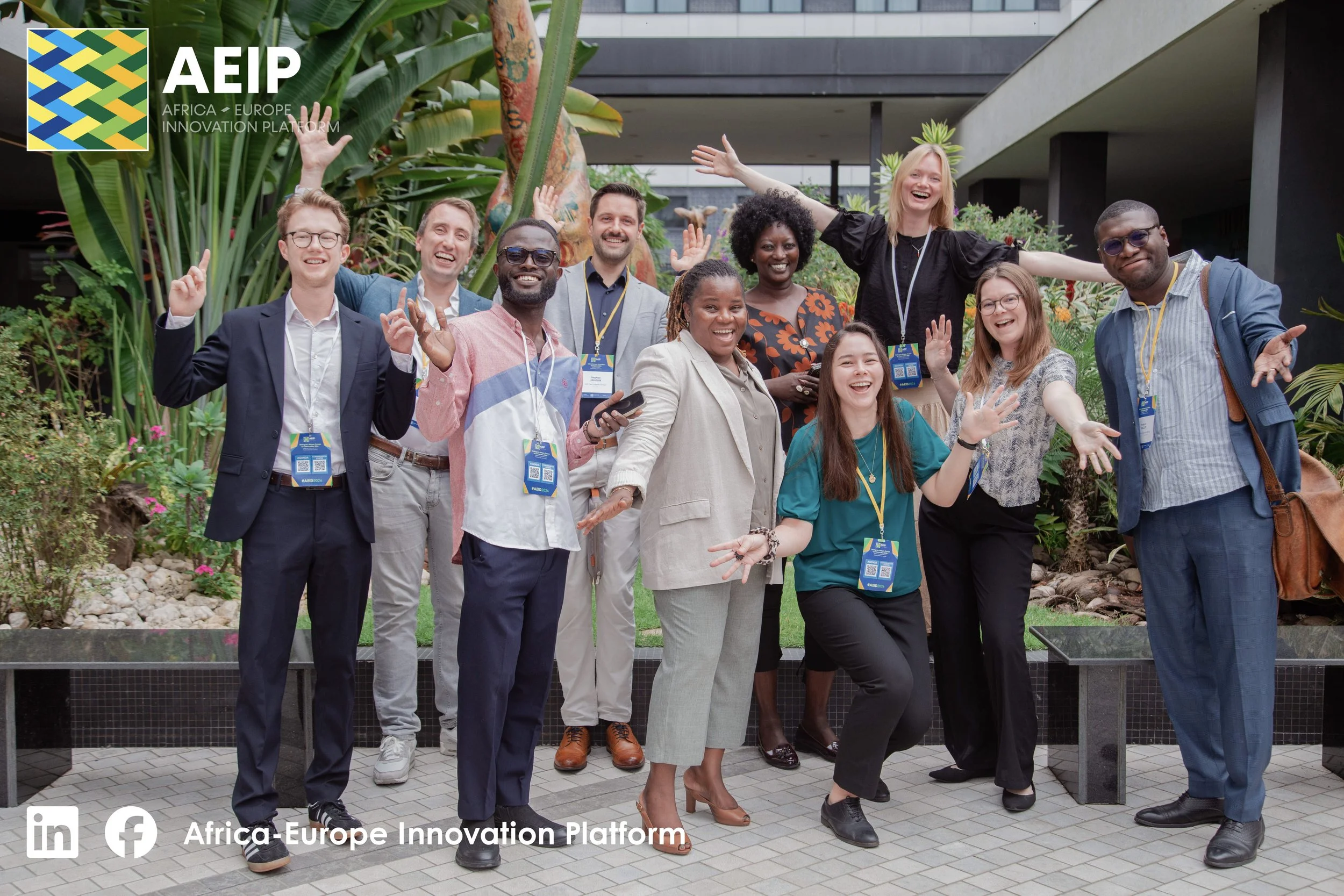
Photo caption: Africa-Europe Innovation Dialogues 2026, 3–4 November 2026.
Question 3: What do you need to launch or grow a circular economy idea in your country?
Launching and growing a business idea in a country is one of the key aspects of growing an economy. Responsible Business Consulting explores ways to support and involve youth and women in the circular economy, such as teaching green skills, providing access to resources, showcasing local success stories, and building public awareness.
So what do you need when launching and growing your business idea? Below are the discussions held in the lab :
Key Challenges & Bottlenecks Identified
Access to Finance & Lack of Trust in youth:
Despite the presence of incubators and support programmes, young entrepreneurs face a shortage of seed capital and persistent investor distrust regarding their scale-up capacity.
Specific Challenges for Women Entrepreneurs:
Women face cumulative hurdles combining restricted access to finance with heavy family and maternal responsibilities, limiting their operational availability and market rollout speed.
Raw Material Access & Supply Chain Issues:
Structural difficulties in securing a reliable, high-quality, and affordable supply of local raw materials required for circular processing.
Start-ups Overview
QUALITYmobile (Cameroon - MOKO NGOUO Charly): Valorisation of volcanic basalt rock and organic waste using bio-nanotechnology processes to formulate sustainable fertilisers and green electronic components.
Date Transformation (Togo - Mireille AKOUBIA): Valorisation and local processing of dates into high-value-added agro-food products.
BEBE Green (Togo - Adissa SANT'ANNA): Circular economy and eco-innovation solutions focused on sustainable development and health.
Key takeaways
Tailored Financial Instruments: Establish dedicated guarantee funds for youth and simplified seed grants to bypass traditional collateral requirements.
Targeted Support for Women: Design flexible acceleration programmes that account for maternal schedules and provide direct equipment grants.
Equitable Africa-Europe Partnerships: Facilitate technology transfers and industrial alliances to build robust local value chains in the circular economy.
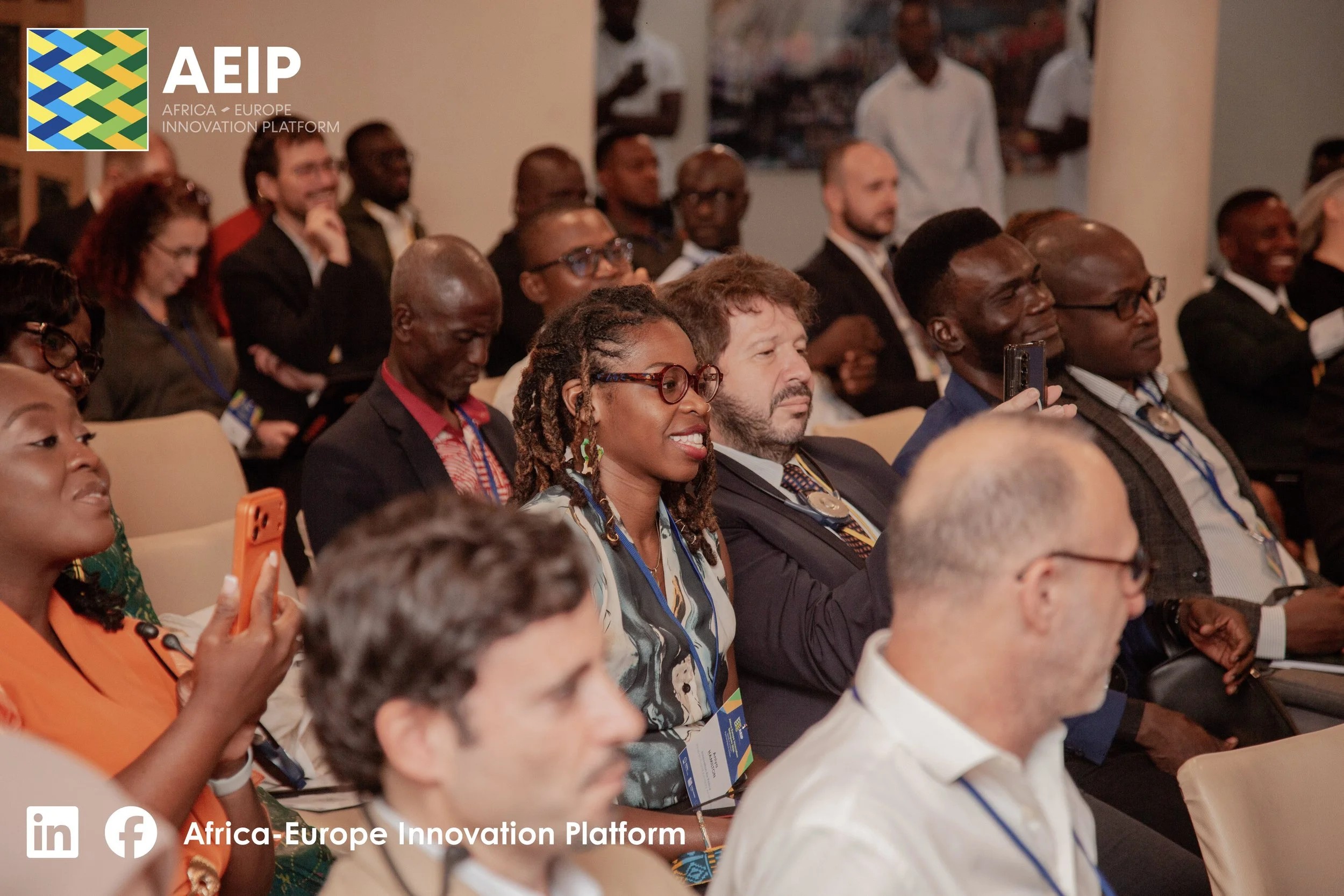
Photo caption: Africa-Europe Innovation Dialogues 2026, 3–4 November 2026.
Recommendations for Youth and Women in the Circular Economy
Women
Flexible acceleration programmes that accommodate maternal schedules, along with direct equipment grants.
Access to finance and higher-value formal roles in co-design, engineering and corporate leadership, instead of labour-intensive, hazardous and low-paid work.
Training, exposure to technical experts and educational resources to close the green skills and technical education gap.
Youth
Dedicated guarantee funds and simplified seed grants that bypass traditional collateral requirements.
Green skills, market knowledge and awareness, with exposure to technical experts.
Inclusion in policy and decision-making spaces, including high-level conferences.
Startups and SMEs
Secure a reliable, high-quality and affordable supply of local raw materials.
Seek simplified seed grants and guarantee funds to address the shortage of seed capital.
Share jointly developed technologies and knowledge as mutual property, with no exclusivity agreed in advance.
Business Support Organisations
Teach green skills, give access to resources, showcase local success stories and create public awareness.
Design tailored financial instruments and flexible acceleration programmes for youth and women.
Provide technical expertise, including advice on gap reassessments.
Academia and researchers
Provide technical expertise to address and advise on gap reassessments.
Help develop a definition of the circular economy rooted in the Global South, with greater emphasis on redistribution and fairness.
Share jointly developed knowledge as mutual property, with equal credit for every contributor.
Policy makers and institutional bodies
Clarify regulatory frameworks and ease registration hurdles and high operating costs.
Align trade, development and industrial policies around circular goals, with technology transfer and finance accompanying new standards and informal workers formally recognised.
Reassess what gets funded so that it addresses actual needs rather than “Western priorities”, with stricter governance on what funding can be accepted.
Civil society
Raise public awareness and showcase local success stories.
Push for formal recognition of informal workers and for equal credit for every contributor.
Promote a mindset shift from “receiving” or “donor funding” to the exchange of ideas and opportunities, with mutual accountability.
Read more about the Africa-Europe Innovation Dialogues 2026 here.
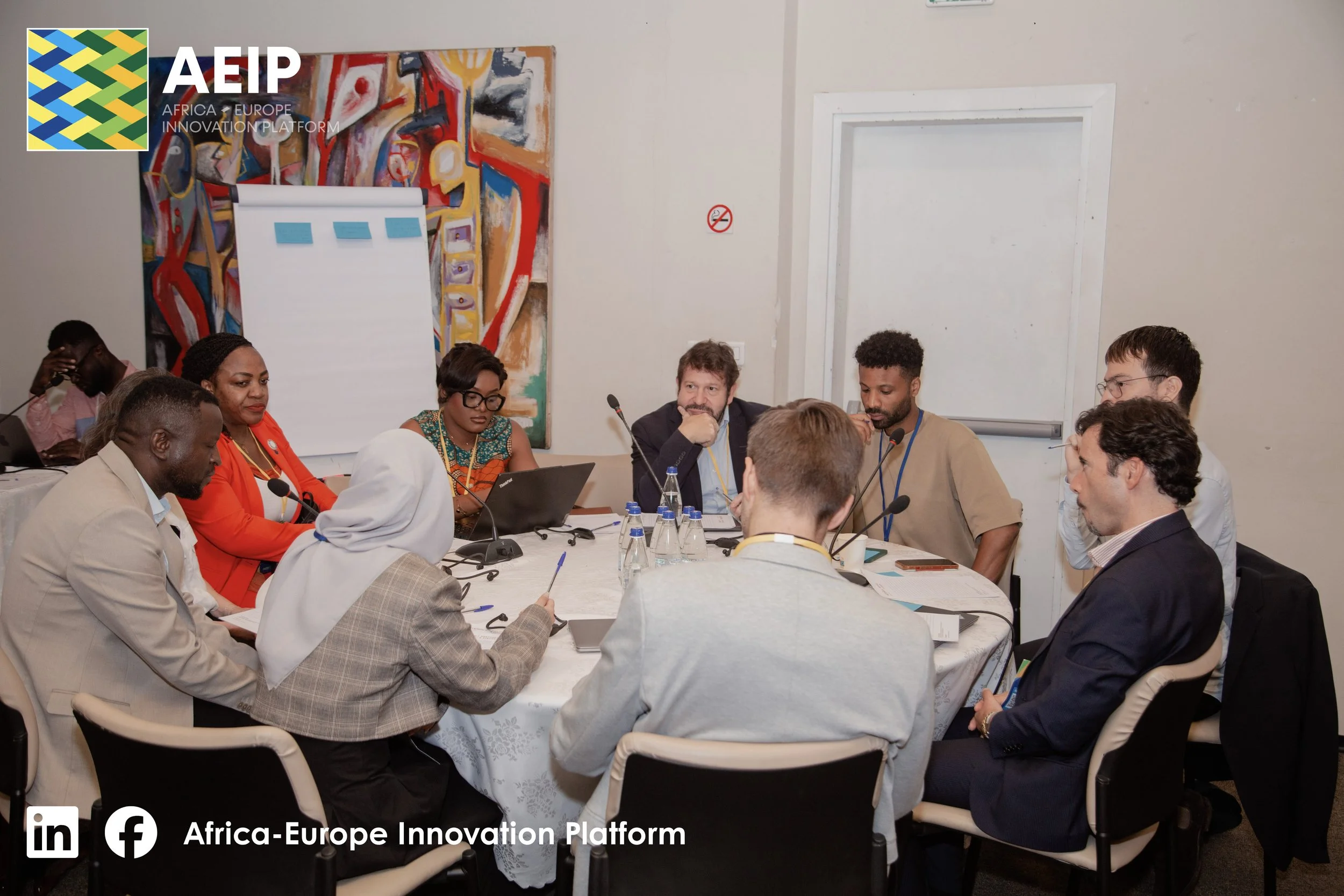
Photo caption: Africa-Europe Innovation Dialogues 2026, 3–4 November 2026.