
From local knowledge to lasting impact: The Youth Café reflects on what it takes to move beyond innovation for innovation's sake.
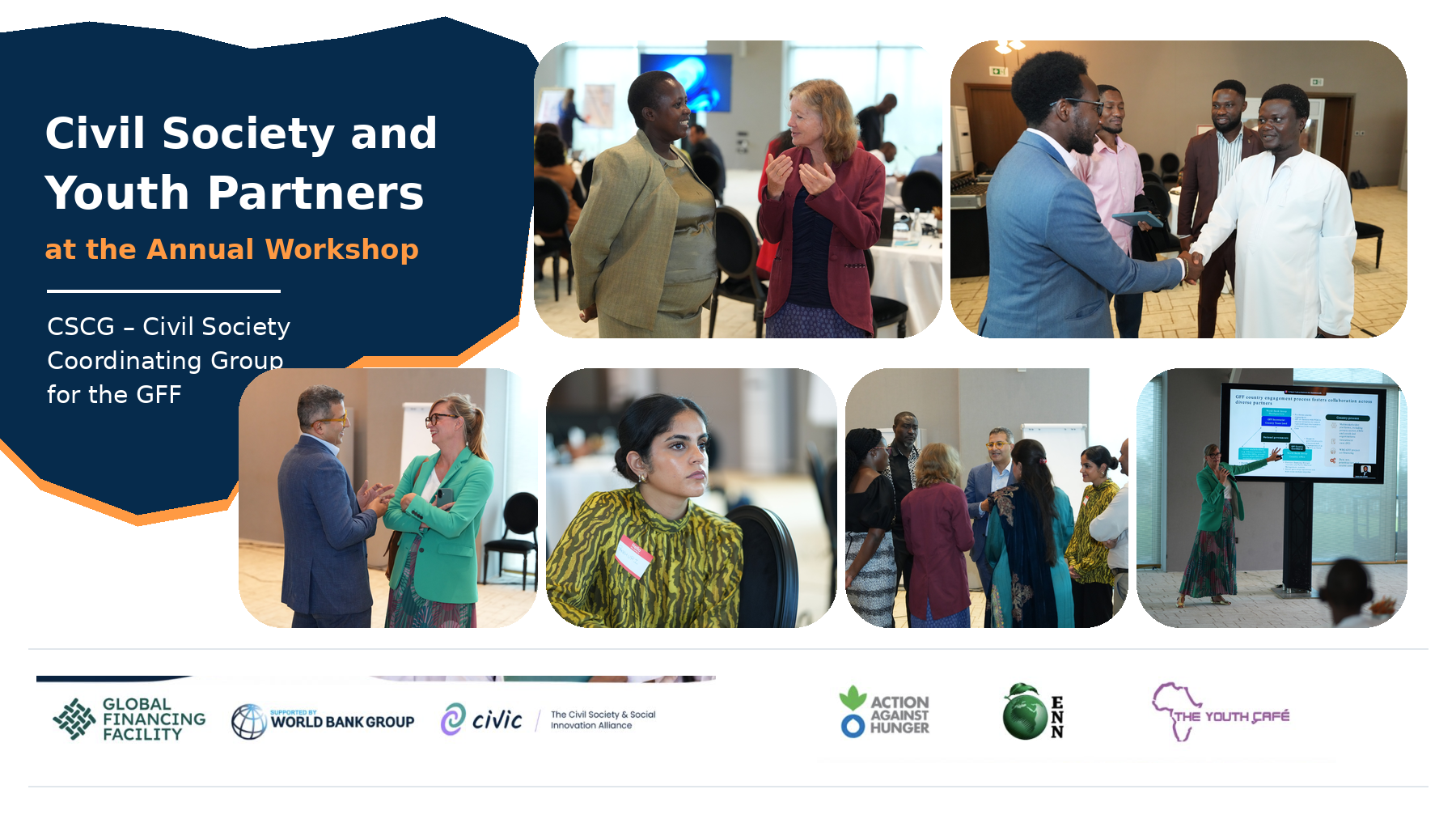
Photo caption: GFF × CIVIC CSCG Annual Workshop, 1–2 November 2026.
Imagine two youth-led organisations working on adolescent health in different African countries. Both have spent years building relationships with their communities, developing creative responses to local challenges, and accumulating knowledge through practical experience. Yet neither may know the other exists. Now imagine a new development initiative arriving with the ambition to strengthen capacity, encourage innovation, and support sustainable change. Should it begin by introducing another training programme or developing a new framework, or would it be more valuable to first understand what is already working and why that knowledge has not travelled further?
This question offers a useful starting point for reflecting on The Youth Café's participation in the Global Civil Society Coordinating Group (CSCG) workshop held in Rabat, Morocco, on 1–2 November 2026. Bringing together civil society organisations, youth leaders, and development partners under the Global Financing Facility (GFF) × CIVIC Platform, the gathering explored domestic resource mobilisation, community-led approaches to adolescent health and nutrition, youth engagement, and institutional accountability. For The Youth Café, participating alongside our ALIGN consortium partners, Action Against Hunger and the Emergency Nutrition Network (ENN), the discussions offered an opportunity to examine not only the challenges facing local organisations but also some of the assumptions underpinning how development initiatives respond to them.
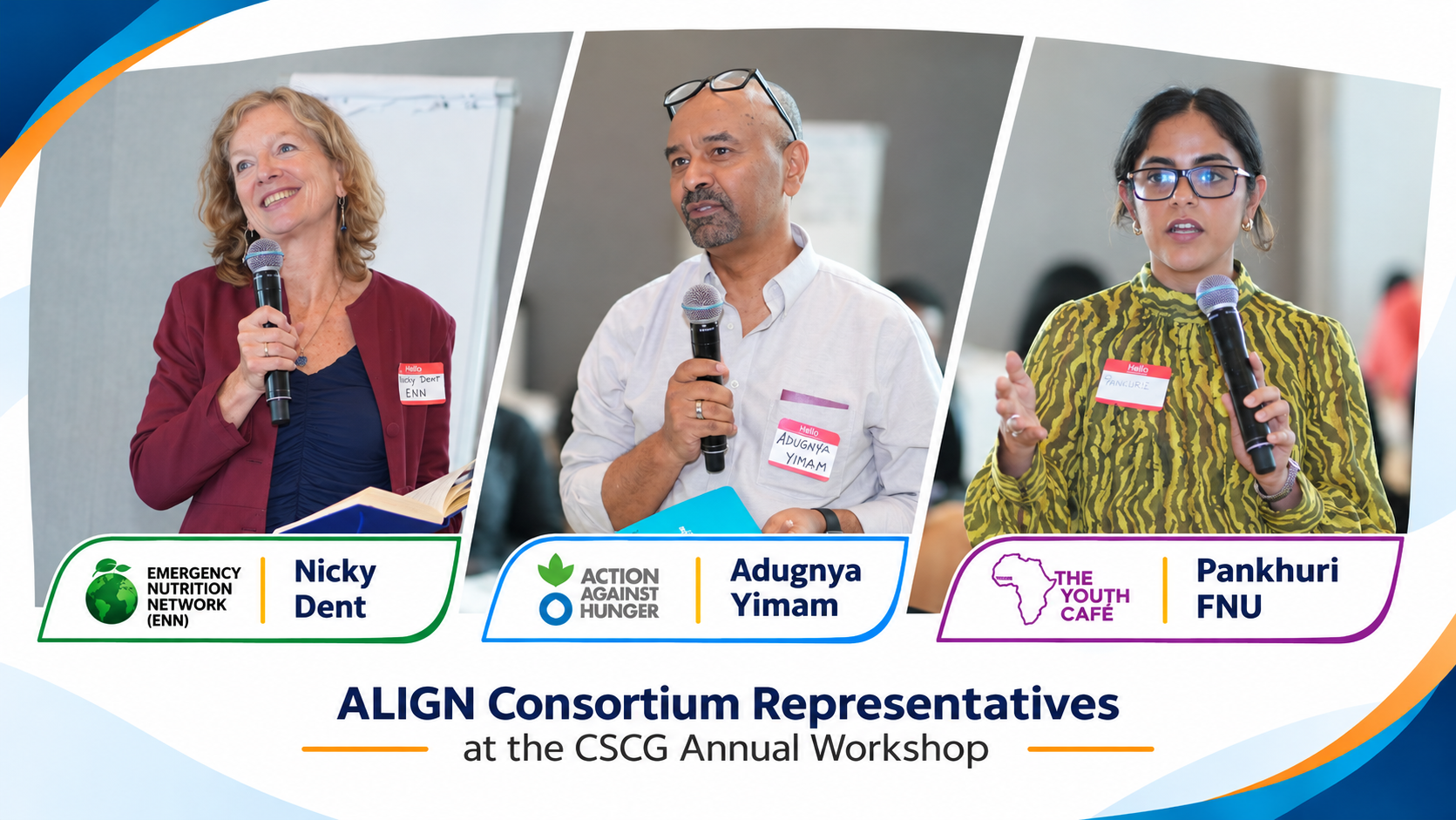
Photo caption: ALIGN consortium representatives at the CSCG Annual Workshop: Nicky Dentt (Emergency Nutrition Network), Adugnya Yimam (Action Against Hunger), and Pankhuri FNU (The Youth Café).
The Innovation Paradox: Why Do We Keep Starting From Scratch?
Innovation occupies a privileged position in development. We celebrate new ideas, launch new initiatives, pilot new approaches, and establish platforms to accelerate promising solutions. This emphasis is understandable: innovation can challenge ineffective practices and open possibilities that previously seemed out of reach. Yet it also raises an uncomfortable question about whether we have become better at generating new solutions than at sustaining those that already exist.
Across communities, organisations are experimenting with locally adapted approaches to persistent development challenges. Some have spent years refining their interventions through experience, community feedback, and an understanding of the environments in which they operate. Yet promising solutions do not automatically become widely adopted practices. They may struggle to attract sustained financing, generate the evidence required by policymakers, navigate institutional processes, or connect with organisations confronting similar challenges elsewhere. Valuable knowledge can therefore coexist with persistent gaps in services and outcomes, not necessarily because effective approaches are absent, but because the systems needed to recognise, adapt, finance, and sustain them remain fragmented.
This distinction is particularly relevant to adolescent health and nutrition, where interventions must respond to diverse social, economic, cultural, and institutional realities. It also sits at the heart of ALIGN — Advancing Local Innovations for Adolescent Health & Nutrition through Governance and Networks — a GFF × CIVIC initiative led by Action Against Hunger in partnership with ENN and The Youth Café. Working across 12 African countries, ALIGN seeks to strengthen and scale locally led approaches by connecting community innovation with evidence, advocacy, governance, and national health systems. Its ambition invites us to think about innovation not simply as the identification of promising ideas, but as the creation of conditions in which those ideas can endure.
What We Call a Capacity Gap May Sometimes Be a Connection Gap
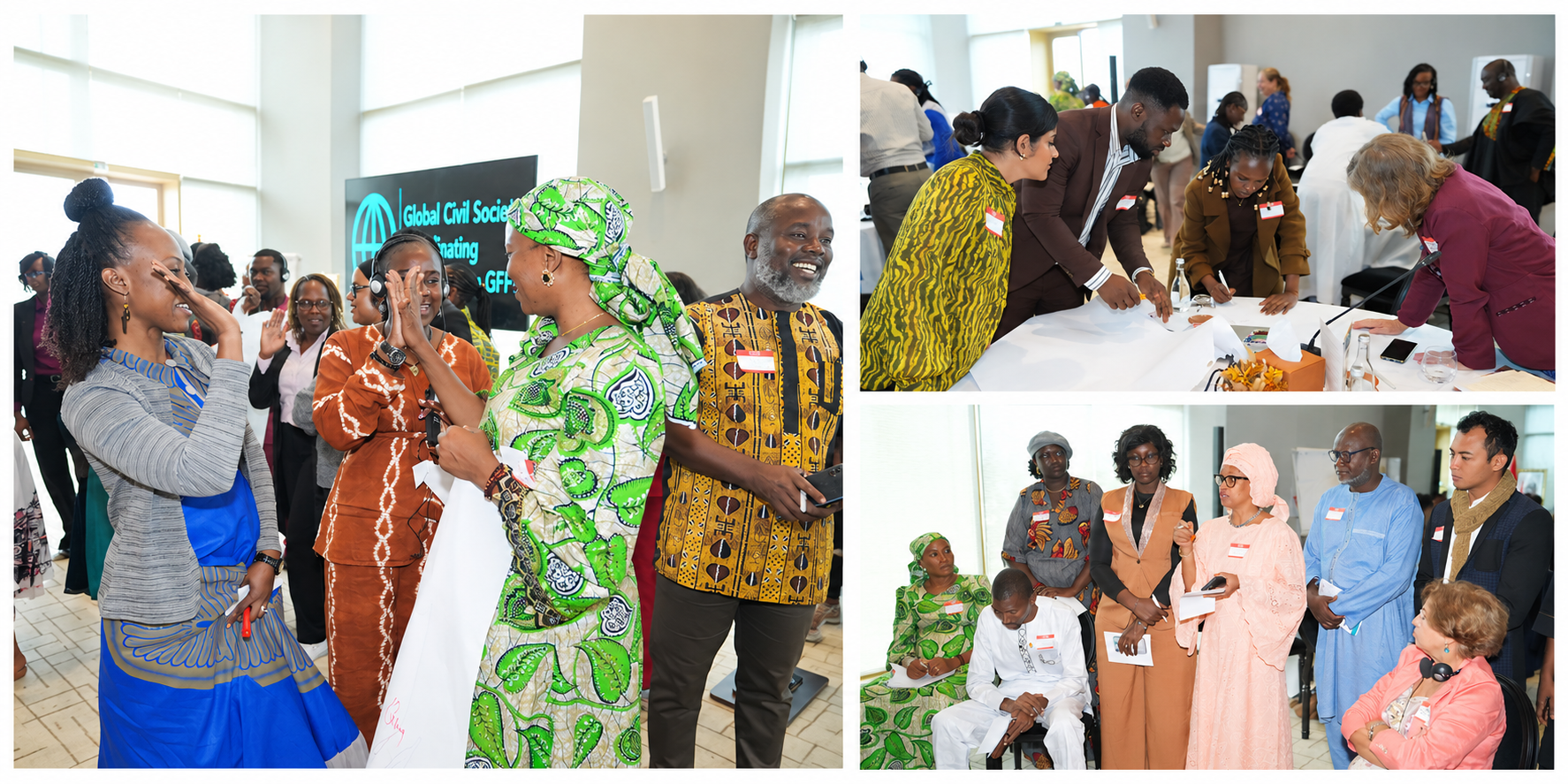
Photo caption: Beyond identifying capacity gaps: exchanging experiences, recognising existing expertise, and exploring opportunities for stronger collaboration.
One of The Youth Café's priorities during the Morocco workshop was to engage youth leaders and youth-led organisations in conversations about their capacity-development needs. Through participatory discussions, we explored existing capabilities, areas where additional support would be valuable, and opportunities for collaborative learning. Advocacy, institutional engagement, peer exchange, and the practical application of knowledge emerged as important areas for capacity strengthening. These conversations also encouraged reflection on how we identify and respond to capacity gaps in the first place.
During the roundtable discussions, participants explored the capacities already present within youth-led organisations alongside areas requiring additional support. The conversations highlighted the interconnected importance of advocacy, resource mobilisation, institutional engagement, and opportunities for peer learning. These reflections suggested that strengthening organisational effectiveness requires more than addressing individual skills gaps; it also involves understanding the relationships, resources, and institutional environments that shape what organisations can achieve.
When an organisation faces difficulties advancing its work, the immediate response is often to identify what additional knowledge or skills it requires. Yet the underlying challenge may be more complex. An organisation lacking technical expertise might benefit from targeted training, while another with considerable experience but limited institutional access may need stronger partnerships and opportunities to engage decision-makers. A third may already have an effective approach but lack the resources to document its impact or share its learning with others. Although each situation may be described as a capacity gap, the appropriate responses are fundamentally different.
This is why capacity strengthening should begin with an understanding of existing capabilities rather than an assumption of what is missing. Youth-led organisations are already generating knowledge, mobilising communities, navigating institutional environments, and developing responses to challenges that external actors may understand only from a distance. Supporting them effectively requires recognising this expertise and identifying the resources, relationships, and opportunities that could expand its influence. Sometimes the most valuable intervention is not another training programme, but a connection between organisations, institutions, or knowledge systems that have previously operated in isolation.
Knowledge Does Not Travel on Its Own
Development initiatives frequently emphasise the importance of sharing best practices, but knowledge rarely moves effortlessly between organisations or contexts. Its exchange depends on relationships, trust, opportunities for dialogue, and an understanding of the conditions that made a particular approach effective. An intervention that succeeds in one community cannot necessarily be reproduced unchanged in another, particularly when local governance structures, resources, cultural dynamics, and institutional capacities differ.
This makes the distinction between replication and adaptation especially important. Replication focuses on reproducing an intervention, while adaptation seeks to understand the principles that made it effective and how those principles might function in another environment. Meaningful cross-country learning, therefore, requires more than documenting success stories or circulating technical guidance. It involves creating opportunities for organisations to examine experiences critically, explore the reasons behind successes and setbacks, and determine what lessons are relevant to their own contexts.
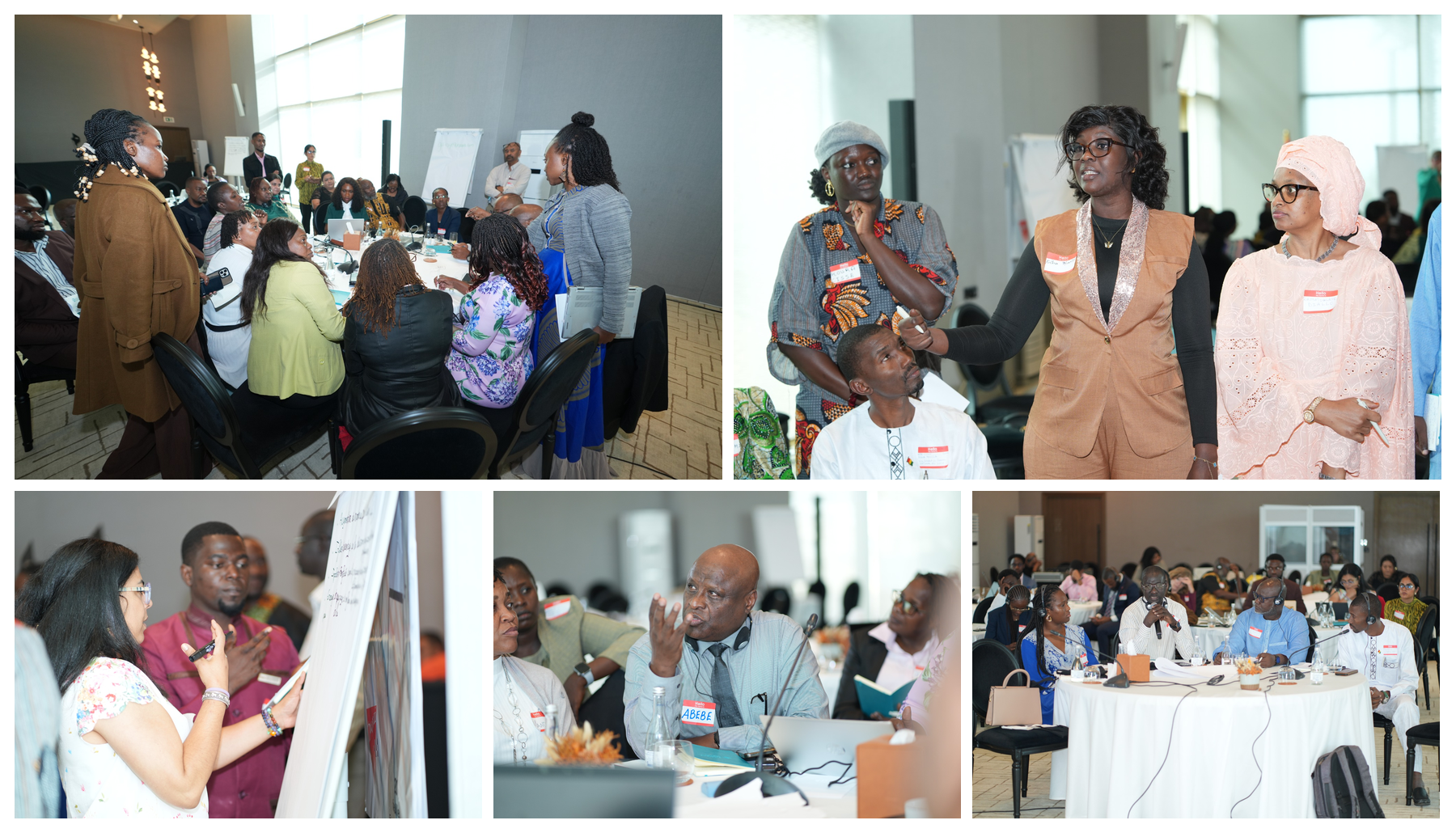
Photo caption: From dialogue to shared learning: participants exchange perspectives on locally led approaches, institutional engagement, and cross-country collaboration.
This was particularly relevant to the exchanges in Rabat, where participants considered opportunities for collaboration and learning across different country contexts. These discussions reinforced the importance of recognising existing local platforms and networks before introducing new mechanisms for knowledge exchange. For ALIGN, this presents an opportunity to connect organisations around shared challenges while allowing approaches to remain responsive to their distinct national and community realities.
For initiatives such as ALIGN, which operate across multiple countries, this presents an opportunity to cultivate a more reciprocal learning ecosystem. Rather than treating knowledge as something transferred primarily from technical institutions to local organisations, cross-country collaboration can recognise the expertise that communities already possess and facilitate its movement between organisations, countries, and policy spaces. In this sense, strengthening networks is not simply a supporting activity; it is part of the infrastructure that enables locally generated knowledge to contribute to wider development outcomes.
Scaling an Innovation Is Not the Same as Sustaining Its Impact
Another assumption worth examining concerns how we understand scale. In development, scaling is frequently associated with expansion: reaching more people, operating in additional locations, or replicating interventions across a wider geography. These are important measures of progress, but expansion does not automatically translate into sustainability. A community-led intervention may reach thousands of adolescents during a funding cycle and still disappear when external support ends. Conversely, a smaller initiative that becomes embedded in local governance, financing arrangements, or service delivery systems may generate more durable change.
This suggests that scale should be understood not only in terms of reach, but also through institutional ownership, continuity, and the ability of systems to sustain effective approaches. The Morocco discussions on domestic resource mobilisation and community-led solutions highlighted the relevance of connecting grassroots initiatives with broader governance and financing processes. If local innovations are to contribute to lasting improvements in adolescent health and nutrition, they need pathways into the policies, institutions, and resource-allocation decisions that shape whether services continue.
The workshop's discussions on domestic resource mobilisation and accountability also drew attention to the wider conditions needed to sustain community-led initiatives. Beyond developing effective interventions, organisations must be able to engage with the institutions, financing processes, and accountability mechanisms that influence whether local solutions receive continued support. This connection between community innovation and institutional sustainability offers an important consideration for initiatives seeking impact beyond individual project cycles.
Accountability is equally important within this process. Monitoring should help us understand not merely whether activities were delivered, but whether commitments were honoured, relationships strengthened, and effective approaches integrated into longer-term systems. This calls for a broader understanding of programme success, one that considers what remains after an intervention concludes alongside what is achieved during implementation.
From Morocco to Action: Rethinking How We Learn
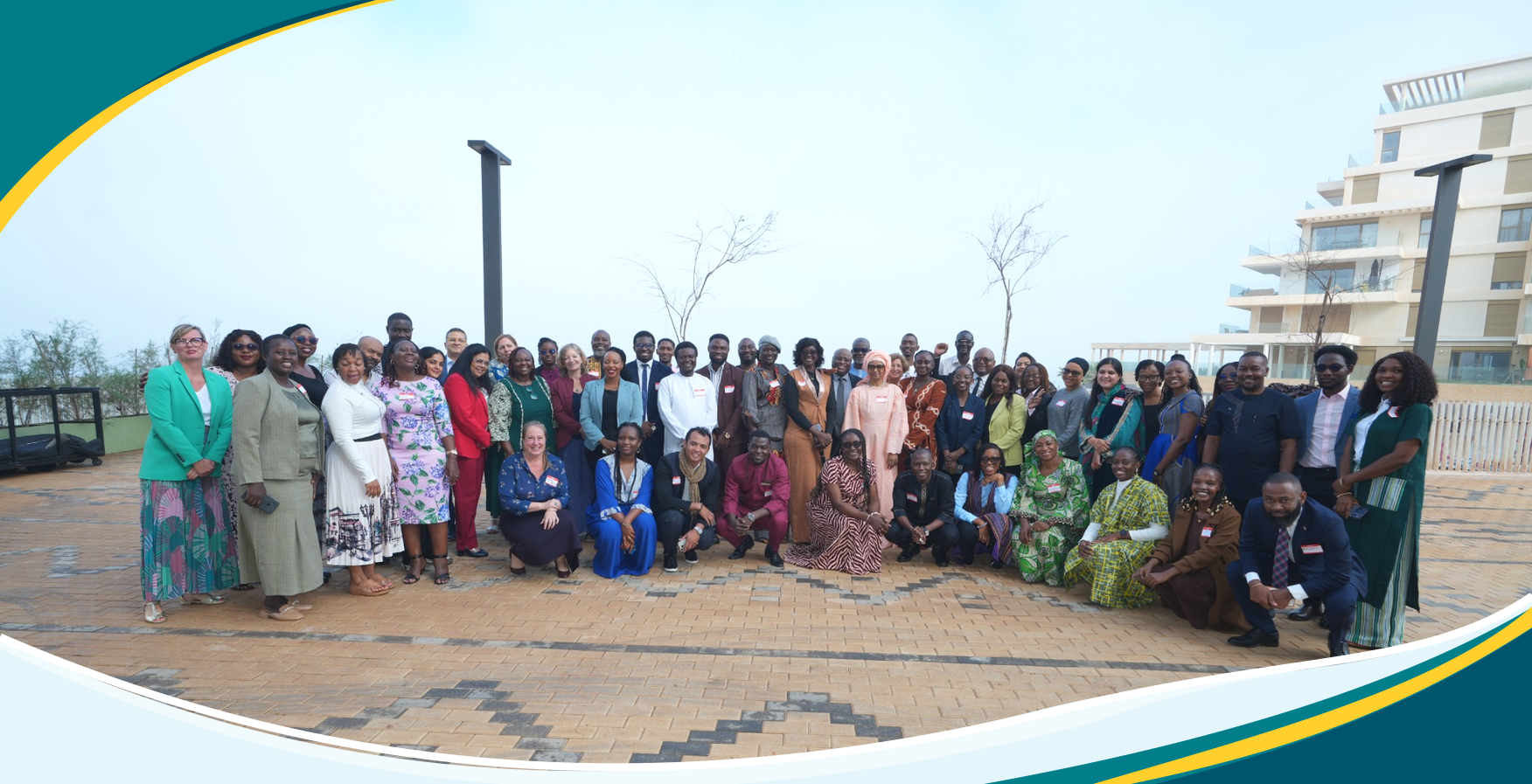
Photo caption: Civil society representatives, youth leaders, and development partners gathered in Rabat, Morocco, for the GFF × CIVIC Civil Society Coordinating Group workshop, 1–2 November 2026.
For The Youth Café, these reflections also form part of a broader collaborative effort within ALIGN, alongside Action Against Hunger and the Emergency Nutrition Network, to translate shared learning into meaningful support for youth-led organisations. The participatory consultations in Rabat will contribute to shaping three planned capacity-development events for youth-led organisations and youth leaders. Rather than approaching these events as standalone training opportunities, the aim is to connect learning with practical application, strengthen relationships between organisations, and support their ability to engage with institutions and advocate for adolescent health and nutrition priorities.
An important starting point will be understanding existing country-level networks, expertise, and learning mechanisms so that ALIGN's activities complement rather than duplicate established structures. Equally important will be creating opportunities for participants to apply new knowledge through advocacy, institutional engagement, peer exchange, and the monitoring of commitments. The value of capacity development should ultimately be reflected not only in what participants learn, but in how that learning strengthens their ability to act within their respective contexts.
This approach also requires recognising that youth-led organisations operate within broader systems that influence what they can achieve. Strengthening their capabilities is essential, but those capabilities must be accompanied by opportunities for collaboration, institutional responsiveness, and sustained engagement. By connecting capacity development with these wider conditions, ALIGN has an opportunity to support not only stronger organisations, but also stronger relationships between community knowledge and the systems responsible for adolescent health and nutrition outcomes.
Maybe the Next Breakthrough Is Not Something New
Development challenges demand creativity, research, resources, and new approaches, and there will always be a need for innovation. But perhaps we need to broaden what innovation itself can mean. It may take the form of a new intervention, a previously unexplored partnership, a mechanism that enables community knowledge to shape national policy, or a financing arrangement that allows a promising local solution to continue beyond its initial funding.
Our time in Rabat reinforced the importance of looking beyond individual interventions towards the networks, institutions, and learning systems that determine their long-term impact. For The Youth Café, this perspective will continue to inform our work through ALIGN as we support youth-led organisations in strengthening their capabilities, connecting their knowledge, and contributing to more sustainable approaches to adolescent health and nutrition.
Perhaps the development sector's next significant breakthrough will not come solely from discovering a solution nobody has thought of before, but from learning how to recognise, connect, and sustain the solutions that have been in front of us all along.