
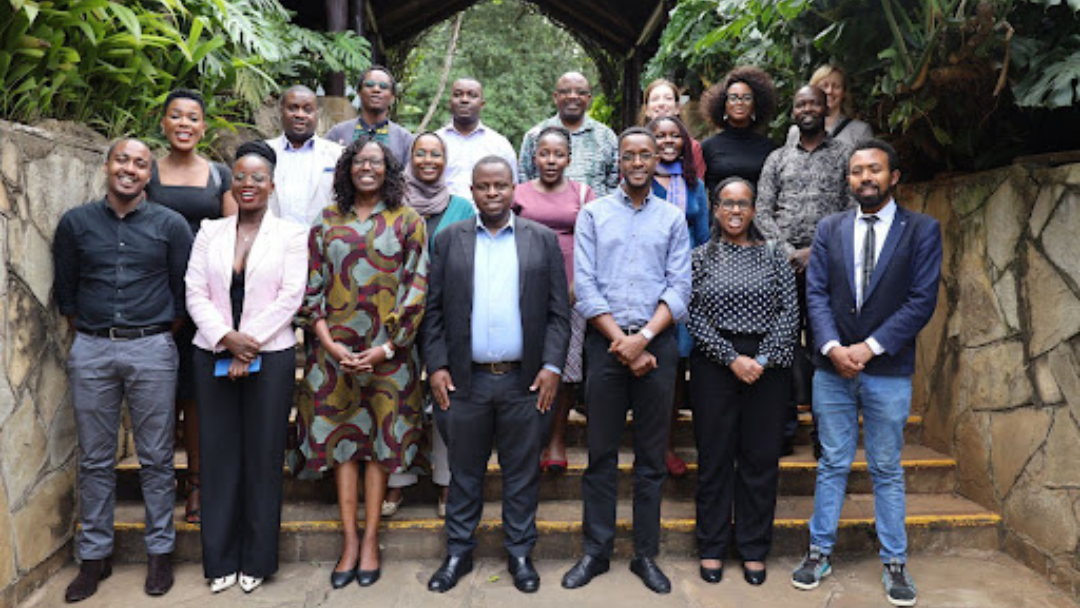
Outcome of the Civil Society Roundtable
Civil Society Organizations (CSOs) have played a pivotal role in the Eastern Africa Anti-Corruption Platform since its inception in February 2017 at the regional convening on fast-racking the implementation of the UNCAC, organised in collaboration with the Eastern Africa Association of Anti-Corruption Authorities (EAAACA). CSOs remain steadfast in their commitment to supporting the fast-tracking of the UNCAC in the region.
Cognisant of the multifaceted nature of corruption, CSOs will continue to advocate for robust legal frameworks, effective enforcement, and inclusive anti-corruption policies that address the unique challenges faced by various groups, including marginalised communities. Through sustained advocacy, awareness-raising, monitoring, and research, CSOs commit to continue working collaboratively with governments, the private sector, and other stakeholders to promote transparency, accountability, and integrity in the region.
We will continue with our sustained efforts in the key priority thematic areas of financial investigations and asset recovery, public procurement and integrity systems, whistle-blower protection and the protection of other reporting persons, private sector collective action, and gender and corruption as a cross-cutting theme, ensuring that anti-corruption measures are comprehensive, inclusive, and effectively implemented. We will leverage our grassroots presence and expertise to foster a culture of integrity and ensure that the benefits of anti-corruption initiatives are realised by all segments of society in Eastern Africa.
Recommendations per thematic area
Thematic area 1: Financial investigations and asset recovery
Proposed action #1: Advocacy
Recommendations: Legislate reforms and create networks explicitly incorporating Civil Society Organizations (CSOs) into asset recovery processes (cf. Financial investigations and Asset recovery Proposed Action #3, Recommendation 1 of the Regional Platform Outcome Statement)
✔ Governments should facilitate the creation of a network for Civil Society Organizations (CSOs), which could function as a comprehensive umbrella network specifically focused on asset recovery. This network would enable better coordination, information sharing, and joint advocacy efforts.
✔ Legal reforms should explicitly include the participation of CSOs in asset recovery processes, ensuring transparency, accountability, and community involvement in the recovery and management of assets.
Proposed action #2: Awareness Raising
Recommendations: Support governments in strengthening resources and capacities through better access to information to enhance public understanding and support for asset recovery initiatives
✔ CSOs should develop and disseminate simplified documents, data, and information regarding asset recovery to bridge the communication gap between practitioners and the general public.
✔ CSOs should enhance public awareness and support for asset recovery initiatives through leveraging appropriate communication channels, including social media, public forums, and educational campaigns, to underscore the importance of asset recovery and the vital role that CSOs play in this process.
Proposed action #3: Monitoring
Recommendations: Leverage data to facilitate effective monitoring of asset recovery
✔ Relevant agencies should provide sufficient and timely data and information to facilitate robust monitoring of asset recovery processes by civil society and asset recovery agencies. Governments should ensure this includes tracking the recovery, management, and utilisation of assets to maintain transparency and accountability.
Proposed action #4: Research
Recommendations: Prioritise multi-sectoral and multi-stakeholder research partnerships to inform evidence-based policy reforms, ensuring inclusive asset recovery strategies that address emerging challenges and benefit marginalised communities
✔ Academic institutions should be actively involved in research related to asset recovery, and governments should support this partnership to gain valuable insights, enhance the evidence base, and develop innovative approaches.
✔ CSOs should research into the role and regulation of Virtual Asset Service Providers (VASPs) in asset recovery, which should be commissioned and supported by governments because understanding this emerging area is crucial for adapting recovery strategies to the digital age.
✔ The impact of asset recovery on women and other disenfranchised communities should be a research priority for all stakeholders. Governments should use this research to inform policies that ensure inclusive and equitable asset recovery processes.
✔ Governments should push for the adoption of research-based recommendations to inform and drive policy reform. This will ensure that asset recovery strategies are effective, up-to-date, and reflective of best practices and current challenges.
Spotlight CSO Initiative
The Civil Forum for Asset Recovery (CiFAR) implemented an initiative aimed at enhancing asset recovery frameworks in Kenya and across East and Southern Africa. In Kenya, CiFAR collaborated with local CSOs to drive policy changes and build capacity for impactful asset recovery efforts. Regionally, the initiative strengthened networks and mutual learning opportunities for CSOs, facilitating their engagement with anti-corruption bodies, tools, and networks. Through participation in regional and international forums, CiFAR's work has bolstered the capacity and visibility of CSOs dedicated to asset recovery, fostering a more coordinated and effective approach to combating corruption in Eastern and Southern Africa.
Thematic area 2: Whistle-blower protection and the protection of other reporting persons
Proposed action #1: Advocacy
Recommendations: Establish comprehensive, gender-responsive legal frameworks to protect whistle-blowers and reporting persons across ALL sectors, including security and defence (cf. Whistle-blower protection Proposed Action #1, Recommendation 2, and Proposed Action #4, Recommendation 1 of the Regional Platform Outcome Statement)
✔ Countries in the region should improve and review legislation to ensure it is effective, including the adoption of comprehensive and unified legal frameworks for the protection of whistle-blowers and other reporting persons .
✔ Governments should establish robust institutional measures for the protection of investigative journalists, whistle-blowers, other reporting persons, and civil society actors.
✔ State agencies should establish and maintain secure and anonymous reporting channels for use by reporting persons, ensuring their safety and confidentiality.
✔ Strong implementation of regional and international standards and frameworks should be prioritised to increase accountability and address impunity by governments in the region
✔ CSO advocacy should focus on protecting whistleblowers from civil and criminal liability, ensuring they are not penalised for coming forward with information.
✔ Anti-Corruption authorities should ensure state security and defence whistle-blowers have the same protections as those in other sectors to ensure comprehensive coverage and safety.
✔ Proper resourcing of government and state institutions is essential to effectively implement and enforce whistle-blower protections.
✔ Gender-sensitive reporting and considerations should be integrated into legislation and practices to address specific retaliation risks faced by different genders.
Proposed action #2: Awareness Raising
Recommendations: Encourage partnerships between Governments and CSOs to promote awareness on whistle-blower protection and reporting mechanisms with a focus on gender and youth dimensions (cf. Whistle-blower protection Proposed Action #2, Recommendations 1 and 2 of the Regional Platform Outcome Statement)
✔ Governments should partner with CSOs to provide digital security toolkits and promote awareness about whistle-blowing mechanisms and reporting channels, targeting law enforcement, civil society and the media.
✔ Information on how whistle-blowers will be protected, including gender dimensions of protection, should be widely disseminated by the government to build trust and encourage reporting.
✔ Accessibility for youth to report incidents, especially in the context of online surveillance and harassment, should be facilitated by anti-corruption agencies, targeting youth through various channels, including social media.
Proposed action #3: Monitoring
Recommendations: Promote multi-sectoral national and international cooperation in monitoring whistle-blower protection measures
✔ Governments should regularly report back on the implementation and effectiveness of whistle-blower protection measures, providing feedback and transparency.
✔ CSOs should monitor the implementation of whistle-blower protection legislation and report on its effectiveness.
✔ Regular meetings involving all stakeholders, including civil society, government, and the private sector, should be held to discuss progress, challenges, and improvements.
Proposed action #4: Research
Recommendations: Conduct gap analyses of regional policies and legislation, and perform legislative impact assessments on whistle-blower and witness protection laws to identify and effectively protect whistle-blowers and reporting persons (cf. Whistle-blower protection Proposed Action #1, Recommendation 1 of the Regional Platform Outcome Statement)
✔ CSOs should conduct a gap analysis of existing policies, legislation, and frameworks in the region to identify areas needing improvement.
✔ Governments should perform legislative impact assessments of whistle-blower and witness protection laws to evaluate their effectiveness and areas for enhancement.
✔ Civil society and academia should investigate best practices at a regional level, comparing and documenting effective measures and identifying ideas for improvement, including a comparative analysis of whistle-blower definitions and protections.
Spotlight CSO Initiative
Through the “Fast-tracking UN Convention against Corruption Implementation” initiative, Transparency International Rwanda was supported to implement a project focused on strengthening whistle-blower protections through awareness campaigns and enhancing cooperation among law enforcement, civil society organisations, and the media.
Thematic area 3: Public procurement and integrity systems
Proposed action #1: Advocacy
Recommendations: Develop strategies emphasising structured disclosure of procurement information using open contracting data standards, encourage investigative journalism and accountability for procurement scandals and sexual corruption (cf. Public procurement Proposed Action #1, Recommendation 1, and Proposed Action #4, Recommendation 1 of the Regional Platform Outcome Statement)
✔ Governments need to make strong efforts to implement recommendations from the regional conference and also review previous recommendations, as they remain relevant.
✔ Disclosure of procurement information should be based on open contracting data or any data standard that makes the information usable and reusable.
✔ Presidential declarations should emphasise that procurement rules must be followed regarding tendering and awarding contracts to minimise the risk of corruption and wrongdoing.
✔ Governments should professionalise procurement officers and other officials involved in public procurement processes.
✔ CSOs should advocate for the disclosure of beneficial ownership information and linking beneficial owners to public procurement registries via government portals.
✔ Countries should disclose procurement data in a gender-disaggregated manner to ensure transparency and inclusivity.
✔ Addressing procurement scandals is essential, as they often tie into broader issues like sovereign debt.
✔ While constitutions are well laid out, countries often borrow using extra-budgetary spending and procurement, which needs to be addressed.
✔ States should implement an annual national price index at the national level
✔ Disclosure of donor-funded projects should be mandatory at the national level. Development partners should publish the projects they fund to ensure transparency on both ends, linking this information to national procurement portals.
✔ States should address delayed payments linked to corruption, sexual corruption, in procurement.
Proposed action #2: Awareness Raising
Recommendations: Enhance access to information through multilingual and accessible awareness initiatives involving civil society, government, and the private sector (cf. Public procurement Proposed Action #2, Recommendation 1 of the Regional Platform Outcome Statement)
✔ Awareness-raising initiatives should be multilingual and accessible, involving civil society, government, and the private sector.
✔ Governments and civil society should collaborate in sensitising the public about procurement processes
✔ Encourage multi-sectoral collaboration between government, civil society and the private sector in proactively sharing information on debarred companies.
Proposed action #3: Monitoring
Recommendations: Ensure open, accurate, and gender-disaggregated data access, and facilitate CSO involvement in procurement oversight (cf. Public procurement Proposed Action #3, Recommendation 1, and Proposed Action #5, Recommendation 1 of the Regional Platform Outcome Statement)
✔ Governments should ensure that data access is accurate, open, reusable, transferable, accessible, and gender-disaggregated.
✔ Government agencies should ensure disclosures are in open formats, allowing CSOs to monitor, reuse, and access this data to keep tabs on procurement processes.
✔ Governments should facilitate the involvement of civil society organisations and non-state actors in overseeing public procurements through collaborative frameworks.
✔ Governments should invest in integrated systems within government to ensure interconnected systems within working groups. If such systems do not exist, they should be established.
✔ Development partners should empower civil society and public actors to monitor procurement processes, including providing resources and tools.
Proposed action #4: Research
Recommendations: Engage citizens and CSOs to address implementation gaps and prioritise the implementation of research-driven interventions in public procurement
✔ Governments should address the implementation gap by collecting citizen feedback on procurement gaps and malpractices and involving CSOs to discuss the extent to which feedback is implemented, and measures to be taken as a result.
✔ Media and civil society should investigate the role of Monetary Financial Institutions (MFIs) and international banking systems in facilitating corrupt practices in public procurement.
✔ Governments should implement research recommendations to ensure continuous improvement and accountability in public procurement.
Spotlight CSO Initiative
Advance South Sudan implemented a project entitled, "Building Capacities to Influence Citizenry Anti-corruption Debates in Public Procurement Sphere," which sought to empower citizens to actively oversee and influence the implementation of the South Sudan Public Procurement Law which was enacted in 2018. They also launched a weekly talk show called “The Integrity Hour” to provide a platform for stakeholder groups to meaningfully participate in dialogues and public media debates regarding transparency and accountability.
Thematic area 4: Private sector collective action
Proposed action #1: Advocacy
Recommendations: Enhance private sector oversight, foster anti-corruption initiatives and partnerships, engage stakeholders in policy, promote transparency, support SMEs, and implement gender-sensitive practices for inclusive and ethical business operations (cf. Private sector collective action Proposed Action #1, Recommendation 1 of the Regional Platform Outcome Statement)
✔ Governments should strengthen and review legislation to ensure effective regulation and oversight of the private sector, promoting transparency and accountability.
✔ Collective action initiatives within the private sector, such as industry-specific anti-corruption pacts and integrity pacts, should be encouraged and supported.
✔ Private sector stakeholders should be actively engaged in policy formulation and anti-corruption efforts to ensure their buy-in and cooperation.
✔ Public-private partnerships (PPPs) should be developed and promoted through frameworks that are transparent and accountable, ensuring mutual benefits and shared responsibility in combating corruption.
✔ Corporate transparency should be promoted by advocating for the disclosure of beneficial ownership information and the implementation of corporate transparency measures, linking this data to national procurement and regulatory portals.
✔ The adoption of ethical business practices and corporate social responsibility (CSR) initiatives that promote anti-corruption measures within companies should be encouraged.
✔ SMEs should receive support to implement anti-corruption measures, recognizing their unique challenges and resource constraints.
✔ Gender-sensitive policies and practices should be encouraged in the private sector, ensuring inclusivity and equality in all business operations and anti-corruption measures.
Proposed action #2: Awareness Raising
Recommendations: Promote comprehensive anti-corruption training and public campaigns for private sector integrity, engage youth in ethical business practices, and enhance capacity on anti-corruption policies in the private sector (cf. Private sector collective action Proposed Action #2, Recommendation 2 of the Regional Platform Outcome Statement)
✔ Anti-corruption training programs for private sector employees at all levels should be promoted and facilitated, ensuring they are aware of the laws, regulations, and ethical standards.
✔ Public awareness campaigns highlighting the importance of private sector integrity and the role of collective actions in combating corruption should be collaboratively run by governments and CSOs.
✔ Awareness-raising materials should be multilingual and accessible, targeting diverse audiences within the private sector.
✔ Youth should be engaged through targeted campaigns and initiatives that promote ethical business practices and the importance of integrity in the private sector.
Proposed action #3: Monitoring
Recommendations: Monitor, evaluate and report on the implementation of the adopted anti-corruption policies, legal frameworks and strategies (cf. Private sector collective action Proposed Action #1, Recommendation 3, and Proposed Action #2, Recommendation 1 of the Regional Platform Outcome Statement)
✔ Compliance audits of private sector entities should be conducted regularly by governments to ensure adherence to anti-corruption laws and regulations.
✔ Third-party monitoring of private sector practices by CSOs and independent watchdogs should be encouraged to ensure transparency and accountability.
✔ Government and civil society should have regular meetings with private sector stakeholders, including industry associations and chambers of commerce, should be organised to discuss progress, challenges, and best practices in combating corruption.
✔ Feedback mechanisms for private sector entities to report on the implementation of anti-corruption measures and receive guidance on best practices should be established.
Proposed action #4: Research
Recommendations: Collaborative multi-sectoral research by the private sector, government and academia to advocate for effective anti-corruption measures within the private sector, emphasising collective action and fostering a culture of integrity and accountability (cf. Private sector collective action Proposed Action #1, Recommendation 3 of the Regional Platform Outcome Statement)
✔ Studies on the impact of anti-corruption measures in the private sector should be conducted to identify what works and what needs improvement.
✔ Existing policies and legislation affecting the private sector should be analysed to identify gaps and areas for enhancement.
✔ Best practices in anti-corruption measures within the private sector, including successful collective action initiatives, should be documented and disseminated.
✔ Innovative technologies and approaches that can enhance transparency and accountability in the private sector should be researched.
Possible to highlight good practice of one country identified by the others / include offers of some countries to share good practices and experience to others in the context of the platform etc.
Cross-cutting Theme: Gender and Corruption
Proposed action #1: Advocacy
Recommendations: Adopt a human-rights-based approach to combating corruption, recognizing and addressing its disproportionate impact on marginalised groups in alignment with existing international human rights commitments and obligations.
✔ Governments should adopt a human-rights-based and inclusive approach to combating corruption, reminding States Parties of their existing human rights commitments and obligations under the Universal Declaration of Human Rights, the International Covenant on Civil and Political Rights, the International Covenant on Economic, Social and Cultural Rights, the African Charter on Human and Peoples' Rights, the Maputo Protocol, and the Convention on the Elimination of All Forms of Discrimination against Women. This approach should recognize the disproportionate impact of corruption on groups that often face discrimination, including women, sexual minorities, persons with disabilities, older people, children and young people, minorities, refugees, migrants, and internally displaced persons.
✔ To combat sexual corruption, States should urgently adopt targeted measures, expedite the enactment of legislation criminalising the abuse of a position of authority to obtain sexual benefits, and establish gender-sensitive reporting mechanisms to facilitate victims of sexual corruption coming forward. Effective enforcement and awareness-raising campaigns are essential to reduce stigma, and collaboration with relevant civil society organisations to provide support services for victims and survivors of sexual corruption is crucial.
✔ Gender equality and inclusion should be mainstreamed in anti-corruption frameworks through the use of inclusive language in policy documents. Governments should ensure the meaningful participation of diverse groups during all stages of the development, implementation, and evaluation of such frameworks.
✔ Affirmative action policies should be strengthened or adopted by States to redress historical imbalances of power, reduce corruption, and improve societal well-being. Research indicates that including women and diverse groups in decision-making, including through quotas and affirmative action, leads to improved policy outcomes and reduces corruption.
✔ Governments should prioritise the collection of gender-disaggregated data on experiences and perceptions of corruption. Data collection should reflect the diversity within subgroups and capture all aspects of their lives, such as age, ethnicity, education, disability, marital status, citizenship status, and sexual orientation, to better understand and address the injustices faced by different groups.
Proposed action #2: Awareness Raising
Recommendations: Collaborate on inclusive awareness campaigns addressing the disproportionate impact of corruption on marginalised groups, particularly focusing on combating sexual corruption through multilingual, stigma-reducing initiatives that encourage reporting and promote gender-sensitive reporting mechanisms.
✔ Awareness campaigns should emphasise the importance of an inclusive approach to combating corruption and the disproportionate impact of corruption on marginalised groups. Governments, in collaboration with CSOs, should work to raise awareness of these issues.
✔ Efforts to combat sexual corruption should include comprehensive awareness-raising campaigns to reduce stigma and encourage victims to come forward. These campaigns should be multilingual and accessible, targeting various segments of the population, including youth.
✔ Governments should promote the use of gender-sensitive reporting mechanisms and ensure the public is well-informed about the protections and support available to victims of corruption, including sexual corruption.
Proposed action #3: Monitoring
Recommendations: Report on gender-sensitive anti-corruption measures and monitor legislation protecting marginalised groups
✔ Governments should report back on the implementation of gender-sensitive anti-corruption measures and provide feedback on the effectiveness of these initiatives.
✔ CSOs should monitor the enforcement and impact of legislation aimed at protecting marginalised groups from corruption, including sexual corruption, and report on their findings.
✔ Regular meetings involving all stakeholders, including civil society, government, and private sector representatives, should be held to discuss progress, challenges, and best practices in incorporating gender and inclusivity in anti-corruption efforts.
Proposed action #4: Research
Recommendations: Identify gender and inclusivity gaps in regional policies, and explore innovative technologies for improved gender-disaggregated data collection and analysis in corruption research
✔ Civil society should conduct a gap analysis of existing policies, legislation, and frameworks in the region to identify areas where gender and inclusivity are not adequately addressed.
✔ Government should perform legislative impact assessments to evaluate the effectiveness of anti-corruption laws in protecting marginalised groups and reducing gender-based corruption.
✔ Civil Society Organisations should disseminate best practices in gender-sensitive anti-corruption measures within the region, including successful initiatives that promote the inclusion of women and diverse groups.
✔ All stakeholders should collaborate in researching innovative approaches and technologies that can enhance the collection and analysis of gender-disaggregated data on corruption, ensuring a comprehensive understanding of the impact on various subgroups.
Spotlight CSO Initiative
In 2021, the Africa Freedom of Information Centre (AFIC), in partnership with The Institute for Social Accountability (TISA) and the Open Contracting Partnership, launched an initiative to foster gender-responsive public procurement in Tanzania, Rwanda, Kenya, Ethiopia, and Uganda. The project aimed to understand the participation rates and challenges faced by women-led businesses and sole proprietorships in public procurement. It also sought to identify existing measures that promote fairness and inclusion, assess their impact, and recommend actionable changes based on research findings and international best practices. This initiative's goal was to create a more equitable public procurement landscape for women-led enterprises in Eastern Africa.
Call to Action: Advancing UNCAC Implementation in Eastern Africa
With less than six years remaining to achieve the Sustainable Development Goals (SDGs) by 2030, the effective implementation of the UNCAC is important in ensuring that no one is left behind. Despite remarkable initiatives in the Eastern Africa region, corruption continues to undermine the enjoyment of fundamental rights, economic growth, social equity, and political stability.
Leveraging existing networks and initiatives such as the UNCAC Coalition and the Africa Anti-Corruption Platform is essential to fast-track the implementation of UNCAC and enhance the impact of anti-corruption efforts. These platforms coordinate and showcase the work of civil society organisations dedicated to combating corruption through activities centred around UNCAC and its review process.
Multi-sectoral and multi-stakeholder collaboration among governments, civil society organisations, development partners and the private sector is essential to create a robust framework for transparency and accountability remains imperative more than ever in advancing the SDGs, particularly Goal 16, which aims to promote peaceful and inclusive societies, provide access to justice for all, and build effective, accountable institutions at all levels. Our collective call to action is:
1. Foster greater collaboration and cooperation among anti-corruption agencies in the region, strengthening regional cooperation. This includes promoting information sharing, joint investigations, and peer learning to enhance the effectiveness of anti-corruption measures.
2. Civil society organisations (CSOs) play a vital role in advocating for transparency, accountability, and integrity in governance. It is important to ensure the meaningful participation of CSOs in anti-corruption efforts and UNCAC monitoring processes including through providing them with the necessary support and resources, to amplify the voices of ordinary citizens and hold governments accountable for their actions.
3. Enhance Private Sector Engagement through incentivizing and recognizing businesses that champion integrity and ethical practices, while also holding accountable those that engage in corrupt activities.
4. Secure Political Commitment. High-level political will and commitment are essential for the effective implementation of UNCAC in Eastern Africa. It is imperative that governments prioritise anti-corruption efforts and allocate sufficient resources to support UNCAC implementation initiatives.
5. Be intentional about the gender commitment in combating corruption by recognising the intersecting nature of corruption and gender inequality, it is crucial to be intentional about integrating gender considerations into anti-corruption efforts. This includes mainstreaming gender equality in policy frameworks, ensuring the meaningful participation of women in decision-making processes, and addressing the unique challenges faced by women and other marginalised groups in combating corruption.