The Youth Climate Action Network's Youth Voices Report captures what happens when you actually ask young people what climate change looks like from where they stand.
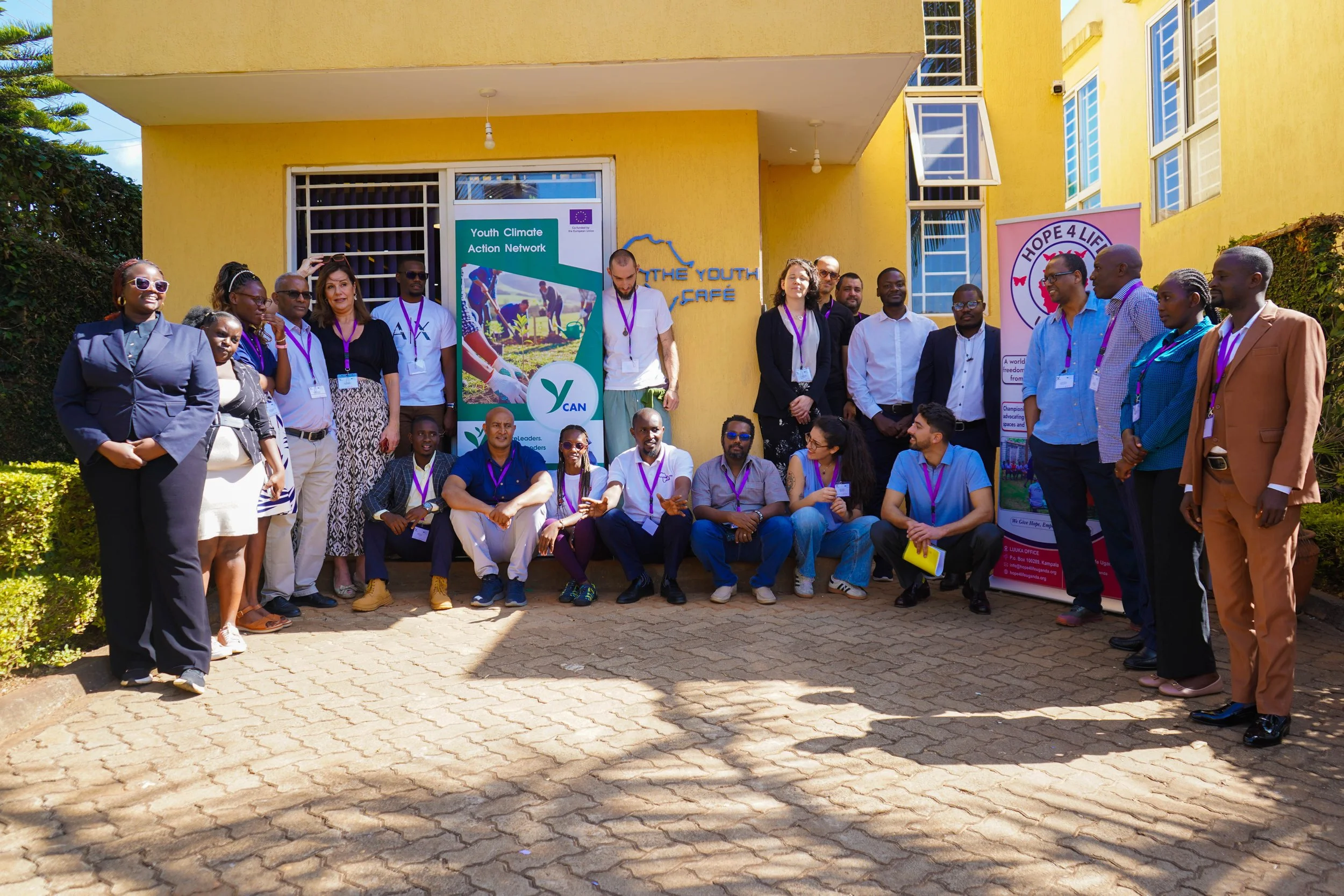
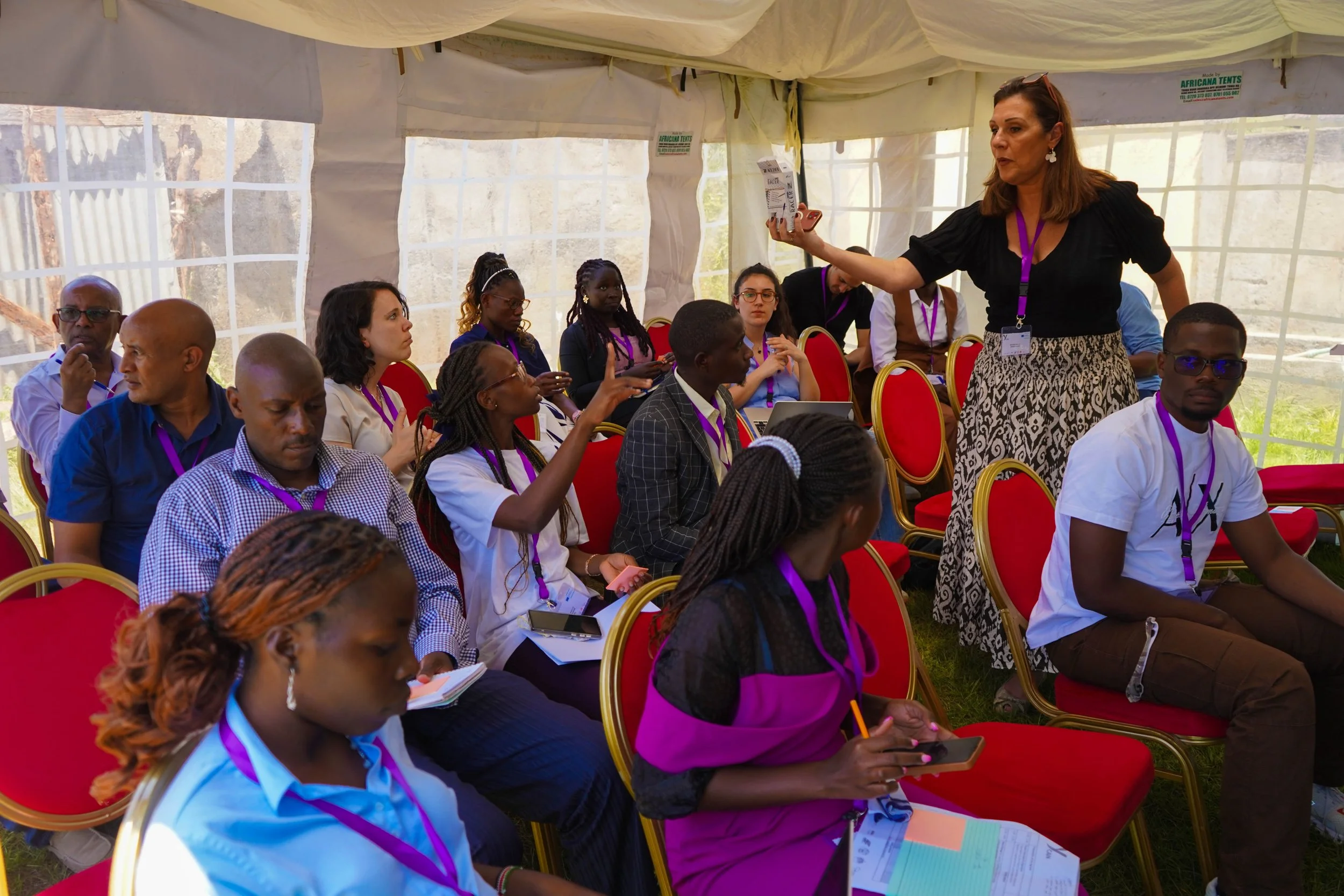
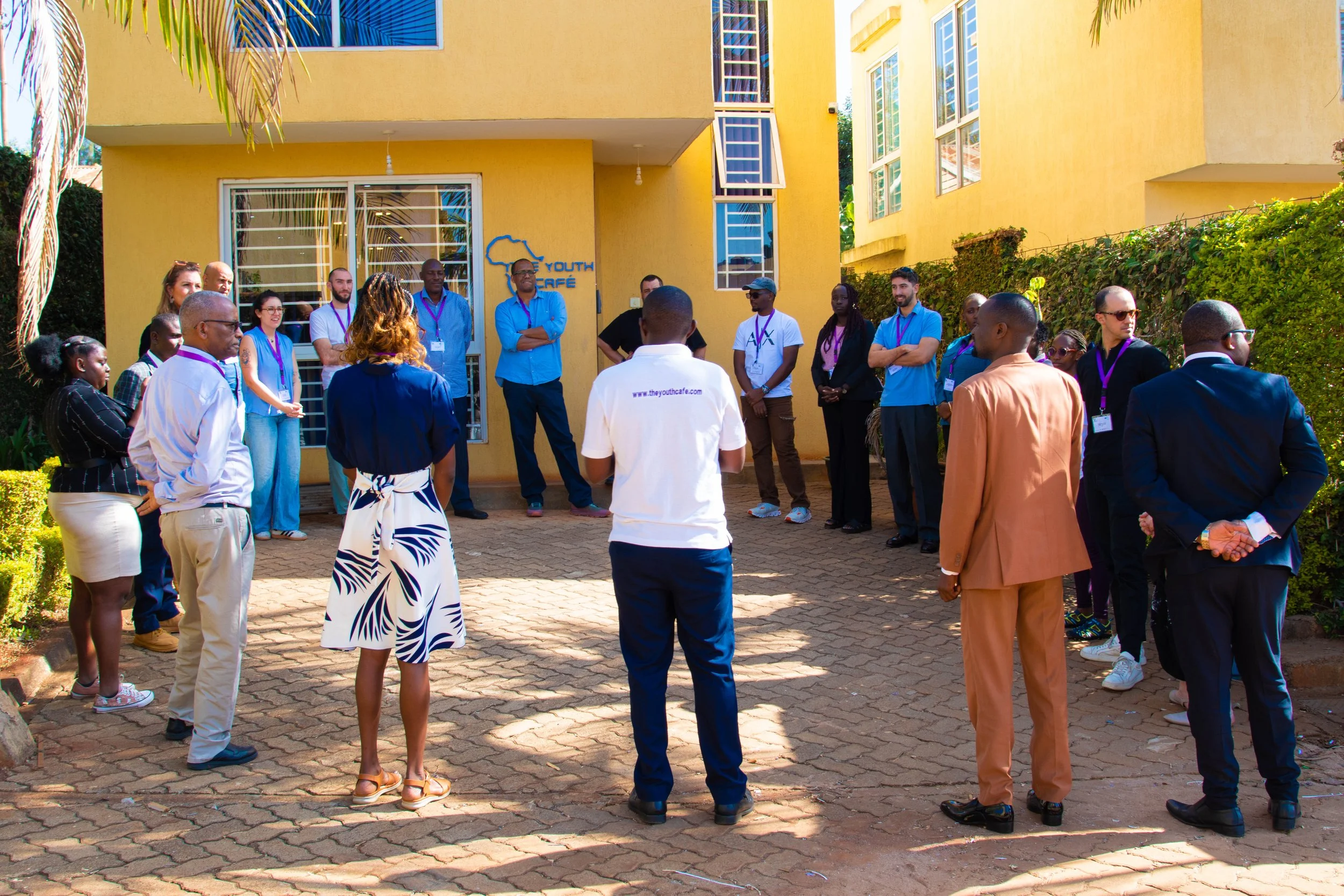
Across Kenya, Uganda, Ethiopia, France, Spain, and Belgium, 31 young people and youth workers came together for the YCAN Kick-off Meeting and Youth Participatory Activity (2–6 February 2026) for capacity-building workshops, a collaboration platform, and a youth consultation forum. What they shared paints a clear picture: young people are not short on urgency, ideas, or willingness to act. What's missing are the systems to back them up.
The Numbers Behind the Urgency
Three statistics frame why this conversation matters, especially for Africa:
60%+ of Africa's population is under 25
Less than 4% of global emissions are contributed by Africa
75% of young people globally report concern about climate change
In other words, the generation least responsible for the crisis is also the generation most present in it, and most determined to respond.
Climate Change Is Not a Future Problem. It's a Lived One.
For the young people and youth workers who took part, climate change isn't an abstract policy debate. It's showing up in their fields, their water supply, and their communities right now.
"We see changes in weather patterns, and this affects agriculture, livelihoods, and opportunities for young people." — Surafel Kabede, Youth Worker, The Ethiopian Catholic Church Salesians of Don Bosco
Droughts, floods, and food insecurity were named by 75% of participants as the most significant challenges facing their communities, followed by pollution, heat waves, and biodiversity loss. The consequences are tangible: water shortages, crop failure, disease outbreaks, damaged infrastructure, and rising poverty.
That lived reality comes with an emotional weight. When asked how climate change makes them feel, participants overwhelmingly pointed to anxiety (87.5%) and fear (75%) — a level of emotional urgency that, notably, wasn't matched by feelings of motivation. That gap between how deeply young people feel this crisis and how much space they're given to act on it runs through the entire report.
Awareness Is Growing, But It's Not Enough on Its Own
Most participants described a partial rise in climate awareness, driven largely by digital and social media, community and peer learning spaces, and youth-led podcasts and dialogues. Young people are motivated to engage — to protect their futures, influence change, and build sustainable opportunities through education, leadership, and advocacy.
But awareness alone doesn't translate into influence. 50% of participants said they don't feel their voices are heard in climate-related decision-making, citing barriers like the climate financing gap, exclusion from policy spaces, technical and information gaps, and political differences.
"Young people are already implementing climate initiatives, but we need more support and collaboration." Enock Isabirye, Youth Worker, HUYSLINCI, Uganda
Youth Workers Are the BridgE
One of the report's clearest findings is the quiet but essential role youth workers play — not as gatekeepers of climate knowledge, but as enablers of it.
"Our work is to come and see how we can enable youth to do their work better because these people have the knowledge of what is happening in their own regions." — Teresia Gitau, Environmental Scientist and Global Co-facilitator for the Women's Major Group at UNEP, Catholic Youth Network for Environmental Sustainability in Africa
Youth workers create inclusive spaces for dialogue, frame environmental protection as a shared responsibility, and support ongoing "formation" rather than one-off lessons — helping young people move from basic awareness to a more practical understanding of climate change. Crucially, they also connect local action to wider networks: faith-based institutions, partner organisations, and international platforms that open doors to funding, mentorship, and policy conversations.
"Let us not wait for others to come and tell us we have a problem… let us lead our initiatives locally." Julius Menya, Project Manager, Hope4Life Uganda
What Youth-Led Climate Action Already Looks Like
Across all six countries, young people aren't waiting for permission to act. Their initiatives cluster around four key areas:
Community-based action - tree planting, recycling, waste management, and clean-up campaigns
Awareness and education - workshops, school outreach, and storytelling that build climate literacy
Innovation and sustainable livelihoods- solar energy, briquette production, water conservation, and resilience-building projects
Digital platforms and advocacy - using social media to mobilise peers and connect across borders
Cross-border collaboration featured heavily as a way to strengthen this work — sharing knowledge, building capacity, and developing more context-specific, effective solutions through platforms like YCAN itself.
"Climate action requires shared responsibility and solidarity by supporting the most vulnerable in shaping solutions." — Diego Fiorin, Project Manager, Asociacion Mundus.
The Real Challenge: Three Gaps That Don't Reinforce Each Other
The report frames its findings around three interconnected dimensions of climate engagement — emotion, knowledge and capacity, and agency and participation — adapted from collective action research by van Zomeren, Postmes, and Spears (2008). When these three reinforce one another, engagement is sustained. When they don't, it breaks down. Right now, three gaps stand out:
1. The Capacity Gap — Strong motivation isn't matched by practical skills. Formal climate education remains inconsistent, shaped by urban-rural divides and socio-economic factors, and young people often rely on informal digital platforms rather than structured learning. Globally, UNESCO finds that nearly 50% of national curricula do not adequately reference climate change.
2. The Participation Gap — Knowledge isn't matched by access to meaningful participation. Young people are increasingly invited into dialogue spaces, but this rarely translates into real influence over policy or decisions.
3. The Sustainability Gap — Engagement remains short-term, localized, and dependent on outside support. Structural barriers — limited funding access, weak institutional backing, heavy reliance on volunteerism, and complex donor systems — continue to fragment youth-led efforts and drive burnout.
"The main thing is not only to involve the youth but the youth have to take action in their community." — Silvia Ganassi,
Youth Worker, Asociacion Mundus
Where We Go From Her
The report's recommendations for YCAN's Capacity Building Programme rest on three pillars working together:
Knowledge & Capacity — climate literacy rooted in local contexts, practical skills, and tools to turn learning into real-world solutions
Agency & Participation — participatory co-creation, youth-led identification of local issues, and a genuine shift from symbolic participation to real influence in decision-making
Enabling Systems — ownership structures, governance and advocacy capacity, and stronger links with institutions and policy processes
Four strategic enablers make this operational: institutional capacity (proposal writing, financial management, project delivery), collaborative ecosystems (cross-border exchange, regional workshops, virtual platforms), long-term support structures (mentorship, alumni networks, seed funding), and sustained civic engagement.
The evidence backs this up: 70% of youth who take part in cross-border exchanges report increased leadership and civic engagement (Erasmus+ Impact Studies), and 60% of youth who receive mentorship remain active in climate initiatives long-term (OECD Youth Development Outlook).
The Bottom Line
Across every country represented in this report, young people showed up with the same three things: urgency, creativity, and commitment. They understand the crisis. They're already innovating and building local solutions. They keep showing up.
What's missing isn't action — it's the systems that let that action thrive.
That means:
Listening to young people's voices and lived realities
Investing resources, trust, and long-term commitment
Enabling by removing barriers and creating institutional pathways
Sustaining youth-led action for lasting impact
Young people are not waiting to be engaged. They are already leading. The question the Youth Climate Action Network — and everyone who works alongside young people on climate — now has to answer is whether our systems are ready to lead alongside them.