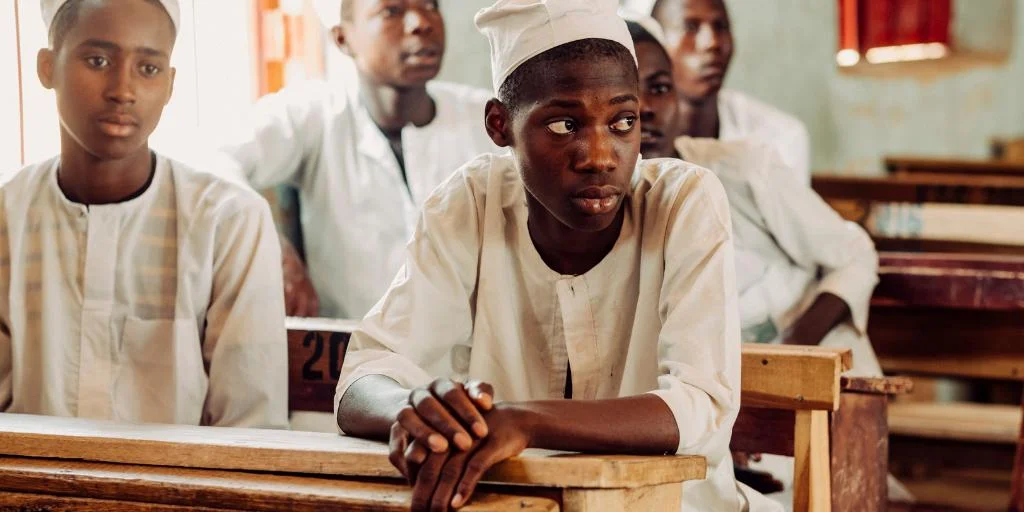
Inclusive peace is the idea that all stakeholders in a society should have a role in defining and shaping peace, meaning that women, young people, minority and marginalised communities are included in peace processes. Still, it is not enough to just have a seat at the table. Inclusion must be meaningful and must ensure that multiple youth identities are recognised and acknowledged, and that youth groups themselves have the strategies and practices to encourage meaningful inclusion.
Nevertheless, too often “youth” is overly simplified to a homogeneous category, one that suppresses or ignores the highly diverse needs, backgrounds and identities of certain groups of young people. Instead, a number of youth constituencies exist, and they represent the value of young people’s diversity, in terms of gender, religion, caste, education, class, locality, ethnicity, etc. Failing to consider young people in their diversity also fails to take into account their diverse experiences of conflict differ and varying motivations and capacities to work for peace.