

Oxford Research Encyclopedia of Politics. The future of slums will tell us much about the future of African cities & democracies.
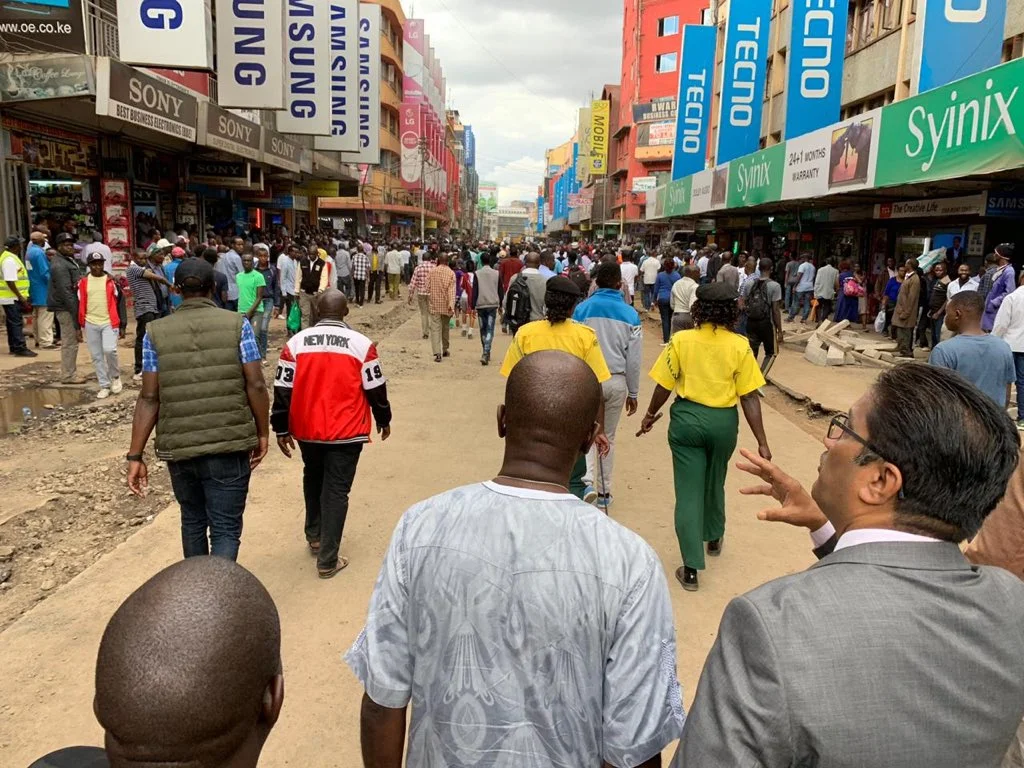
Africa’s growing slums are complex, diverse neighborhoods with their own histories. Currently, these places, characterized by spatially concentrated poverty and human rights abuses, are where large proportions and, in many cases, the majority of Africa’s growing urban populations live. These slums often have a politics characterized by clientelism and repression, but also cooperation, accountability, and political mobilization. Importantly, they must be understood within a wider political context as products of larger historical processes that generate severe inequalities in standards of living, rights, and service provision. Varied approaches (modernization vs. more critical historical and political economy approaches) attempt to explain the emergence, dynamics, and persistence of slums and the politics that often produces, characterizes, and shapes them in Africa.