Global Health at a Structural Turning Point
Africa’s health systems are entering a period of deep structural change. Climate shocks are intensifying across the continent while economic inequality, demographic pressure, migration, and strained public financing systems continue reshaping social realities. At the same time, misinformation, digital fragmentation, and declining institutional trust are changing how communities engage with healthcare systems and public institutions more broadly.
These pressures no longer exist independently from one another. They increasingly interact in ways that shape how people experience health, wellbeing, access to care, and long-term resilience within their communities.
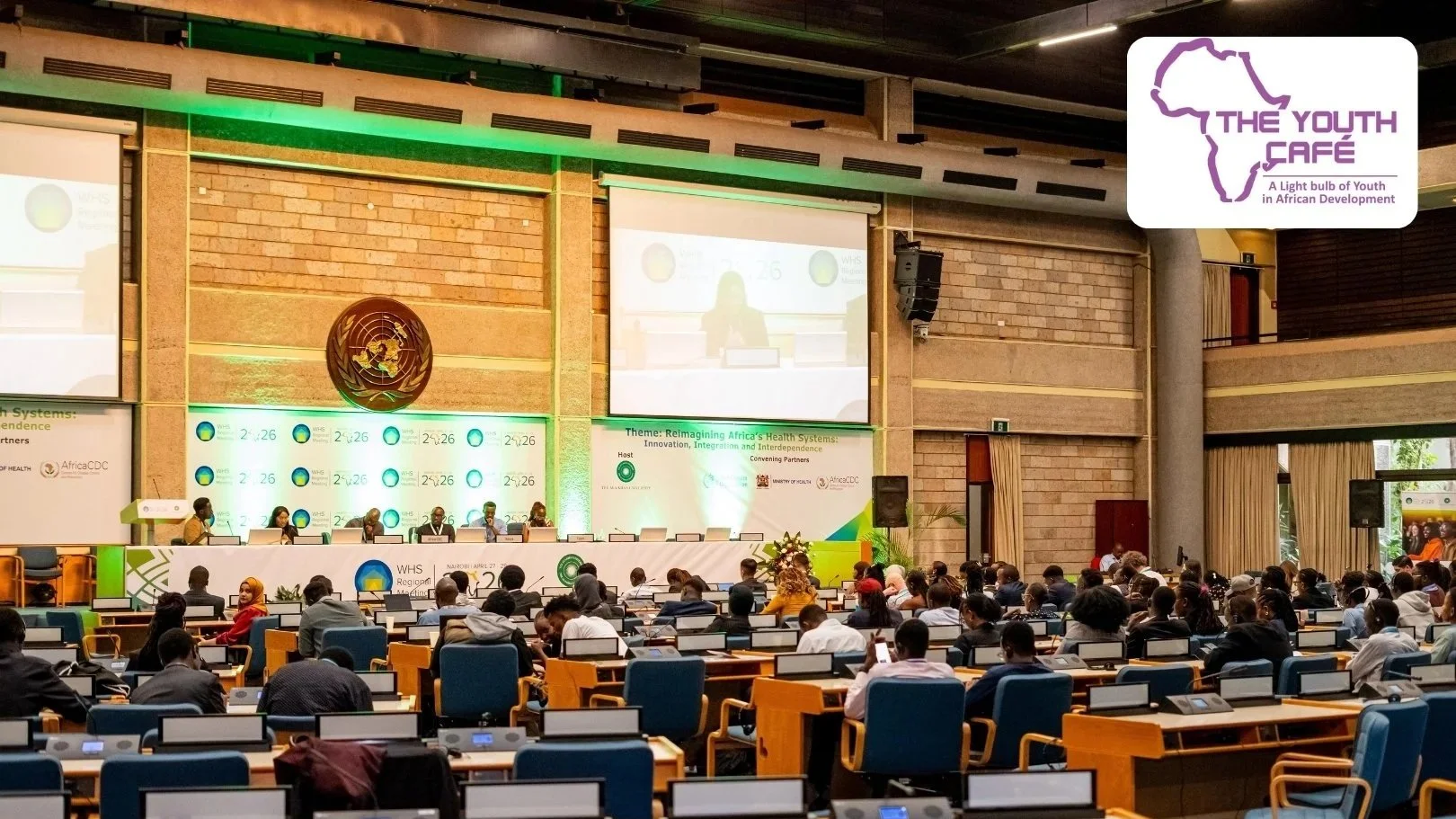
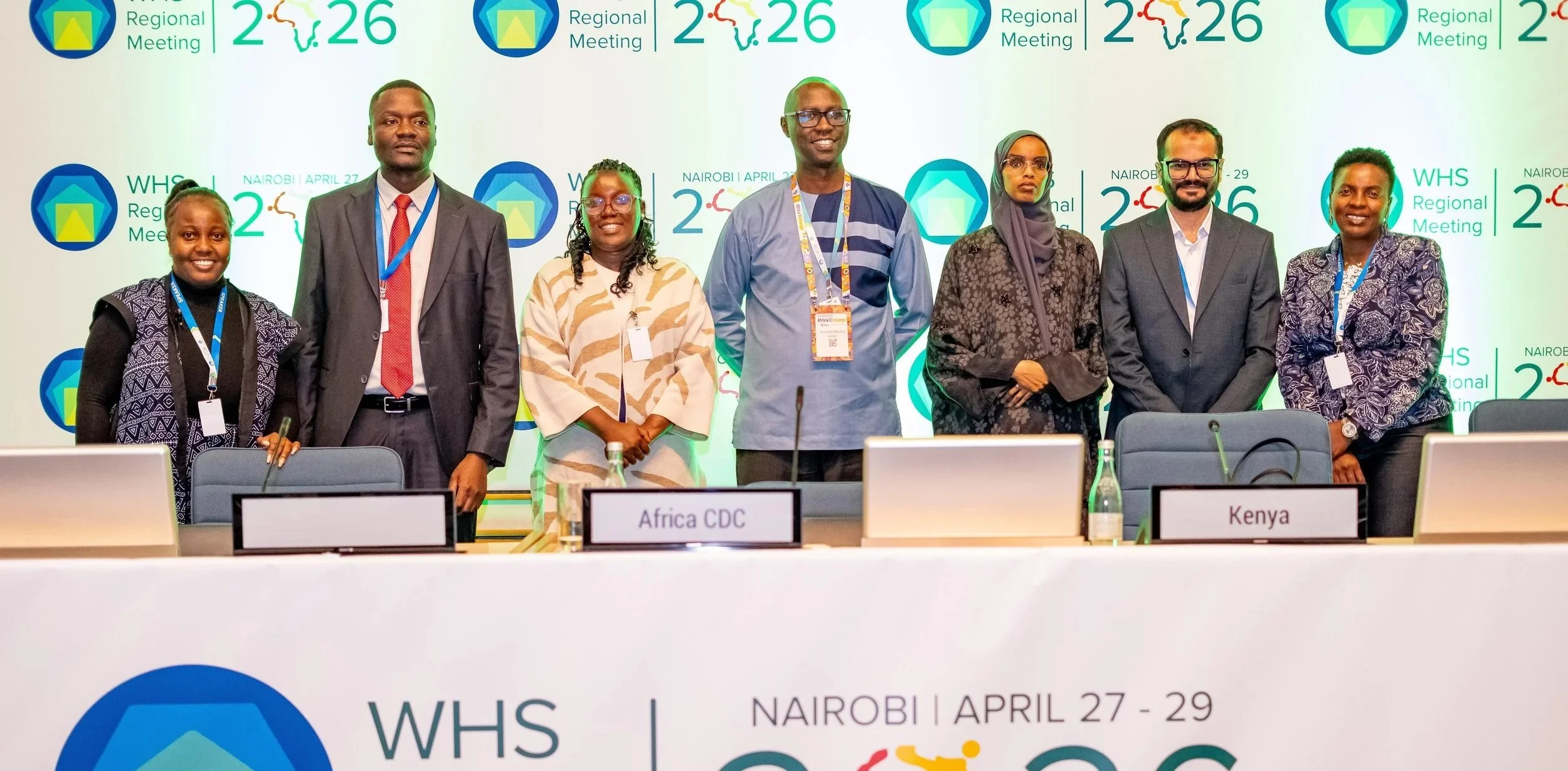
The World Health Summit Regional Meeting 2026 in Nairobi brought together governments, multilateral institutions, researchers, innovators, civil society actors, and youth leaders to examine the future of health systems across Africa and beyond. Across many discussions during the summit, one reality became increasingly difficult to ignore: resilient health systems will require more than stronger institutions, technical innovation, or increased investment. They will require governance models capable of integrating communities as active contributors to systems transformation rather than passive recipients of institutional decisions.
For The Youth Café, participation in the summit represented an opportunity to contribute to a broader conversation about governance, financing, participation, and the evolving architecture of public health systems in an increasingly complex world.
The Governance Gap in Youth Participation
Young people are increasingly recognized within global health conversations as innovators, mobilizers, and important stakeholders within community systems. Yet across many institutions, the language of youth inclusion has evolved faster than the systems required to operationalize it.
In many cases, youth participation still begins only after institutional priorities, financing frameworks, and implementation strategies have already been established. Participation therefore becomes reactive rather than influential.
This gap carries particular significance within the African context, where young people represent a demographic majority and continue to lead many of the continent’s most adaptive responses across community health, peer mobilization, mental health advocacy, digital engagement, climate-health action, and localized implementation networks.
Throughout the summit, discussions repeatedly emphasized the importance of community trust, local legitimacy, and adaptive implementation. Yet many youth-led organizations working closest to communities continue operating through fragmented partnerships, shortterm funding cycles, and limited integration into long-term governance systems.
This creates a structural contradiction within many health systems.
Institutions increasingly depend on localized trust and community-centered implementation to strengthen resilience. At the same time, many of the actors already building those capabilities remain excluded from the financing structures and decision-making processes capable of sustaining their impact over time.
The challenge is therefore no longer whether young people can lead. Across communities, they already are. The more urgent question is whether institutions are prepared to redesign governance systems in ways that allow participation to meaningfully shape outcomes rather than simply validate decisions that have already been made.
Financing Health and Investing in Youth
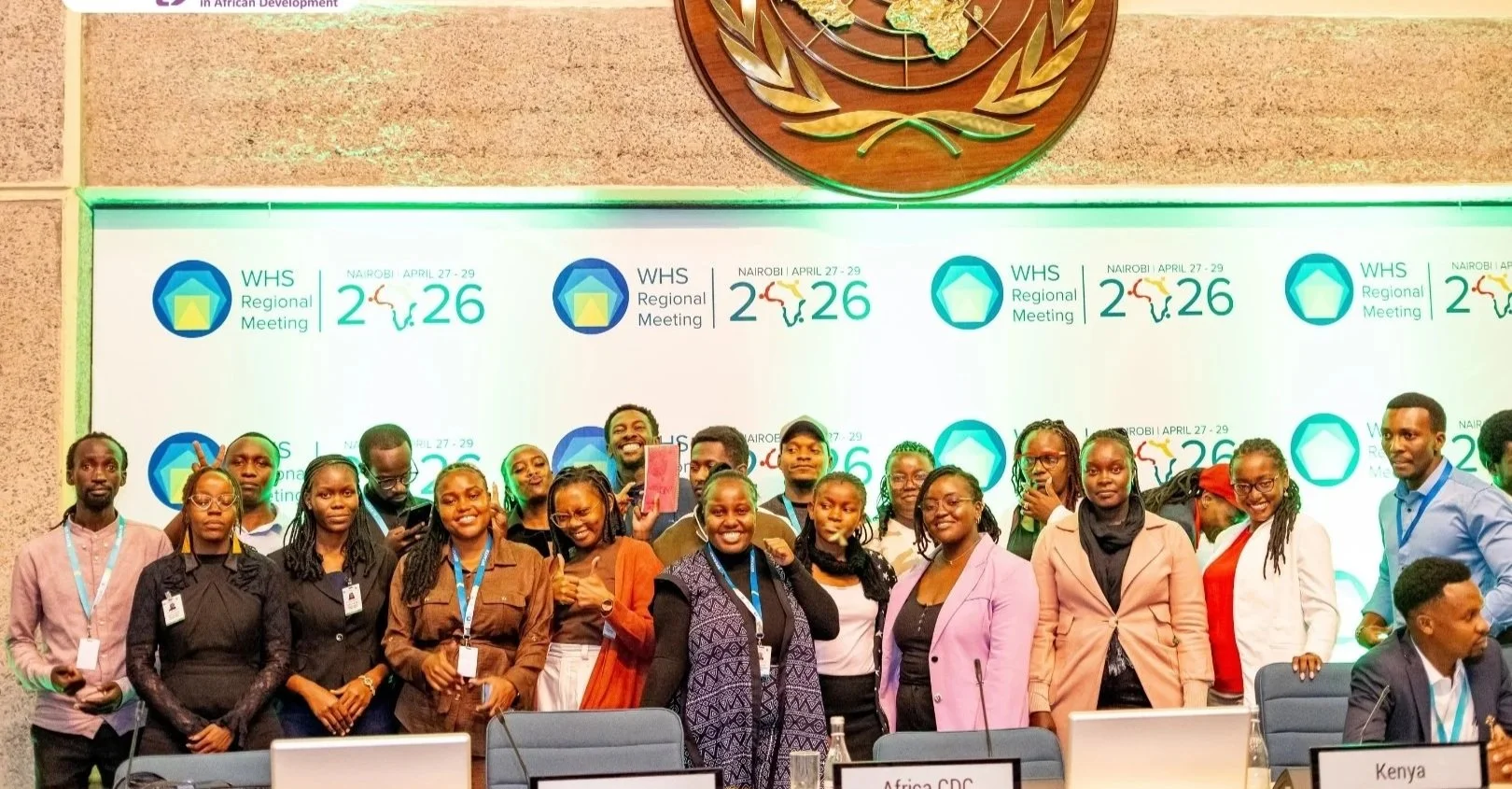
One of the clearest reflections of these tensions emerged during the panel session Financing Health & Investing in Youth, co-organized and facilitated by The Youth Café alongside regional and global partners.
The session brought together youth leaders, researchers, development partners, institutional actors, and financing experts to examine how health financing systems can more effectively support youth-led implementation, localized innovation, and long-term community resilience.
A central concern quickly became visible throughout the discussion. Communities are often expected to sustain implementation without being structurally integrated into financing ecosystems capable of supporting long-term impact.
Participants reflected on how many existing financing models continue prioritizing short-term outputs over long-term community capacity, prevention systems, and localized partnerships. This becomes particularly visible in areas such as adolescent health, mental wellbeing, digital health innovation, nutrition, peer mobilization, and community outreach, where sustainable impact often depends on long-term trust and consistent local engagement rather than isolated interventions.
The discussion also reinforced a broader systems reality. Intergenerational collaboration can no longer be approached simply as a participation principle or symbolic commitment. Increasingly, it is becoming an operational requirement for resilient and adaptive health systems.
Many institutions now publicly acknowledge the importance of youth engagement. Far fewer, however, have redesigned governance structures, financing systems, and accountability mechanisms to operationalize that recognition in sustained and meaningful ways.
That distinction matters because systems resilience ultimately depends on more than representation alone.
Without structural pathways for co-governance, health systems risk losing localized intelligence, implementation agility, and community legitimacy at precisely the moment complexity across health systems continues to deepen.
Youth participation cannot continue operating primarily as a communications commitment while communities are simultaneously expected to absorb implementation pressures they were never structurally included in designing.
Why Community Systems Matter
The summit also reinforced a broader reality increasingly shaping public health globally. Health outcomes can no longer be understood through sectoral frameworks alone.
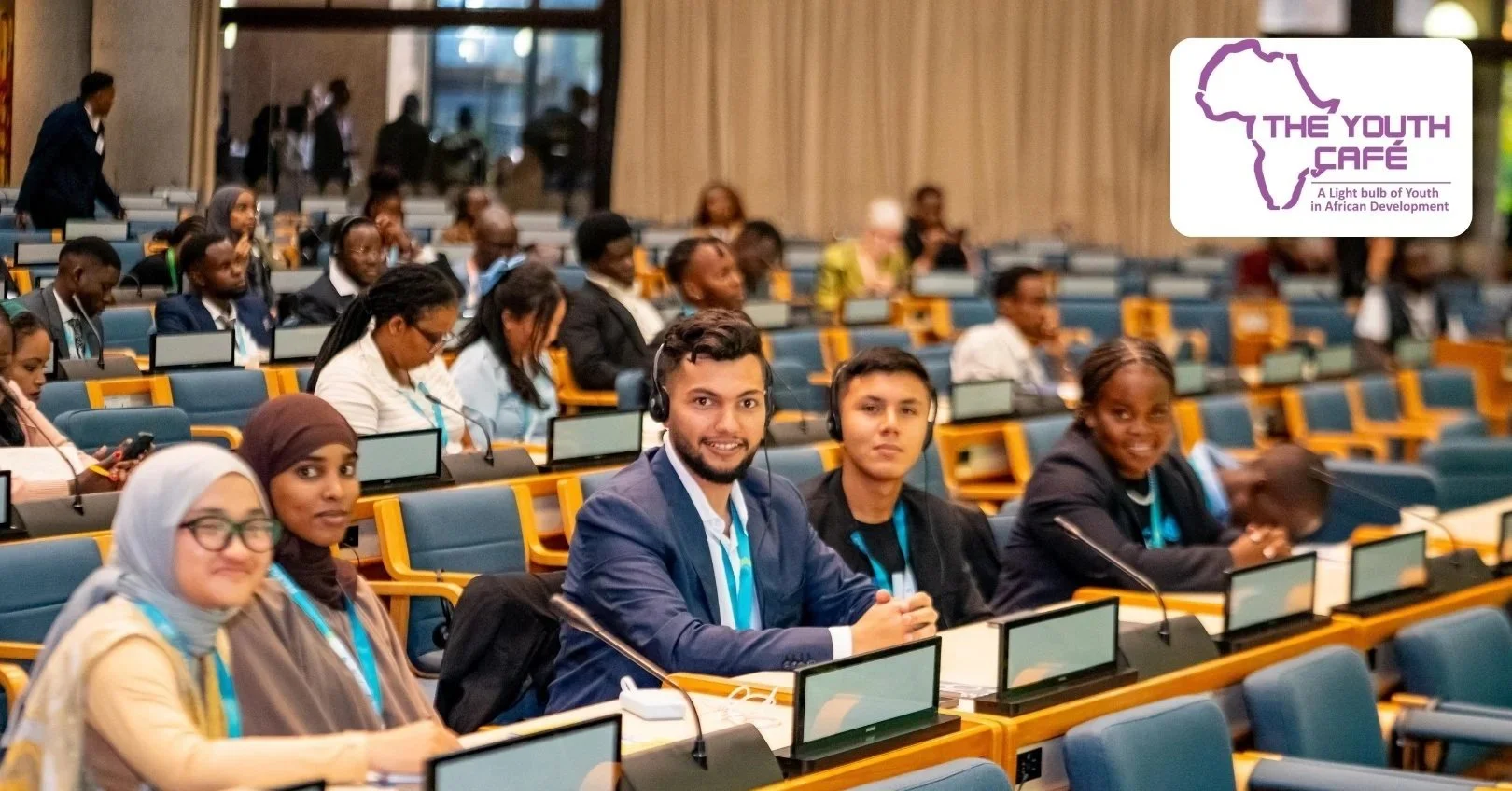
Public health is deeply interconnected with employment systems, climate resilience, education, food security, housing, migration, digital ecosystems, and social cohesion. Young people navigate these intersections daily while simultaneously building many of the localized responses emerging within communities.
This requires a broader understanding of what actually strengthens health systems over time.
Infrastructure, financing, and policy reform remain essential. However, long-term resilience also depends on the social conditions that allow communities to build trust, coordinate collectively, exchange knowledge, and sustain collaborative action over time. Without these foundations, even technically strong systems can struggle to maintain legitimacy and longterm effectiveness within rapidly changing environments.
Community-centered systems often identify pressure points earlier, maintain stronger levels of trust during institutional strain, and adapt implementation more quickly to local realities. As complexity across health systems increases, these capabilities become strategically important rather than supplementary.
Systems resilience is increasingly dependent on actors who often remain peripheral to the systems themselves.
Collective Health Futures
Many conversations throughout the summit also pointed toward another important question: how do communities sustain collective action in contexts shaped by uncertainty, institutional mistrust, overlapping crises, and growing social pressure?
This question increasingly shapes our work at The Youth Café and connects closely to the principles outlined within The Hope Model, which approaches transformation as a collective process shaped through emotional solidarity, cognitive alignment, collective intelligence, and systemic ambition.
Within this framework, sustainable transformation emerges when communities are equipped not only to participate within systems, but to collaboratively shape them. Trust-building, shared ownership, collaborative problem-solving, and long-term coordination become foundational conditions for resilience and institutional legitimacy rather than secondary outcomes of participation.
This perspective continues to influence how The Youth Café approaches youth leadership, participatory governance, community-centered innovation, and intergenerational collaboration across its work.
Our focus remains on strengthening the conditions that allow communities and institutions to work together more effectively. This includes supporting youth-led implementation capacity, creating spaces for intergenerational dialogue, strengthening community partnerships, connecting lived experiences to policy engagement, and enabling communities to move from fragmented participation toward coordinated systems influence.
Health systems ultimately strengthen when communities are able to collectively navigate complexity through trust, collaboration, and shared ownership of solutions.
From Participation to Co-Governance
The World Health Summit Regional Meeting 2026 reinforced an increasingly urgent reality. The future resilience of global health systems will depend on whether institutions can move beyond participation as consultation toward participation as co-governance. T
This shift is not symbolic. It is structural.
The next generation of resilient health systems will not emerge solely from larger budgets, technological advancement, or institutional expansion. They will emerge from governance models capable of integrating collaborative leadership, localized participation, and intergenerational decision-making into the core architecture of public health systems.
Young people are already contributing implementation capacity, innovation, adaptive leadership, and community trust networks across the continent. The question now is whether governance and financing systems are prepared to evolve quickly enough to meaningfully integrate those capabilities into long-term systems transformation.
The challenge facing health systems is no longer whether communities should participate. It is whether institutions are prepared to redistribute enough trust, influence, and decisionmaking power for participation to shape outcomes meaningfully.
The future of global health will ultimately depend on our collective ability to build systems that are participatory, adaptive, community-centered, and co-created across generations.