Introduction
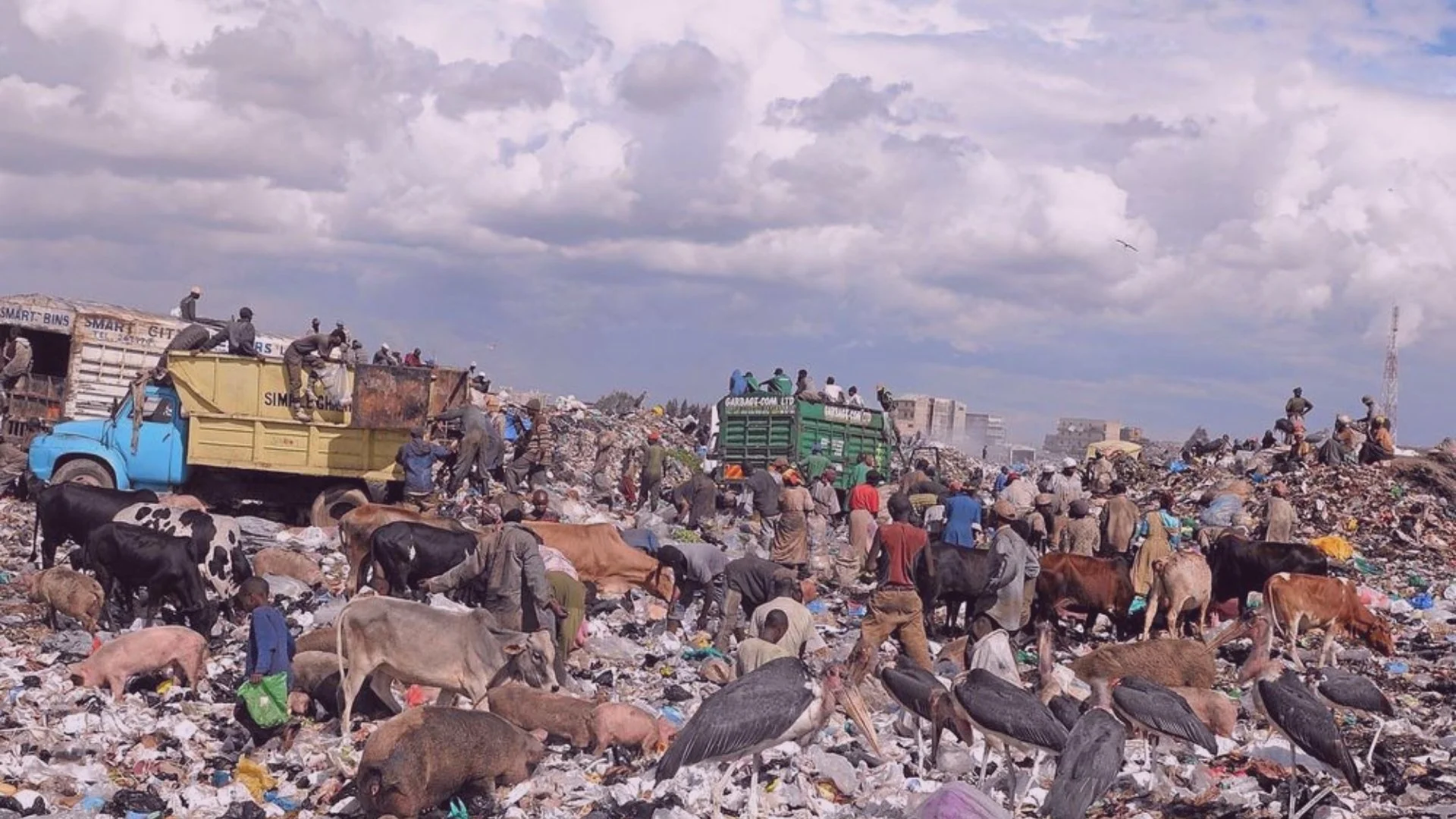
Municipal solid waste (MSW) is produced in every place where humans live, homes, schools, markets, and public spaces. It includes everyday items such as food scraps, packaging, electronics, textiles, and plastics. Over two billion tonnes of MSW are generated every year, and the volume is so huge that if placed in shipping containers end-to-end, they could circle the Earth many times or reach the moon and back.
This waste problem is directly shaped by ordinary human choices. What we buy, how we use items, and how we dispose of them determine the amount of waste produced. The Global Waste Management Outlook 2024 highlights global waste levels, how it is managed, and how it affects human and planetary health. It provides the evidence needed to understand the real costs of waste and the actions required for a zero-waste future.
Why a Youth Edition?
With one in three people under the age of 20, young people represent a major part of the global population and a critical voice in decisions affecting the future. Waste and pollution have long-lasting effects that will impact generations to come. This edition equips youth with the knowledge and skills needed to prevent waste, understand environmental impacts, and take action to protect our shared environment.
Why Is Waste Such a Threat?
Waste appears in many forms, garbage, trash, refuse, but all refer to unwanted materials resulting from daily production and consumption. Municipal solid waste, the focus of this report, excludes industrial waste but is the most visible type because it comes directly from everyday human activity.
Waste is a major contributor to climate change, biodiversity loss, and pollution. If we continue using resources at current levels, the Earth will not be able to keep up. Rapid population growth further increases pressure on limited natural resources.
Impact of Waste on Climate
Once municipal waste is thrown away, what happens to it has enormous climate consequences. For instance, when food waste rots in landfills, it releases methane, a greenhouse gas far more powerful than carbon dioxide. Open burning of waste releases black carbon that accelerates melting of ice caps and contributes to rising sea levels.
Impact of Waste on Biodiversity
Improper waste disposal contaminates soil, water, and air with harmful chemicals, damaging ecosystems for generations. Plastics break into tiny pieces, becoming microplastics, which are easily consumed by animals. These particles move up the food chain, disrupting biological functions and threatening entire ecosystems.
Impact of Waste on Human Health
Dumping and open burning release toxins that contaminate food, water, and air. Between 400,000 and one million deaths annually are linked to pollution from mismanaged waste. Much of this pollution persists for decades, harming not only current populations but also future generations.
How Much Waste Are We Generating?
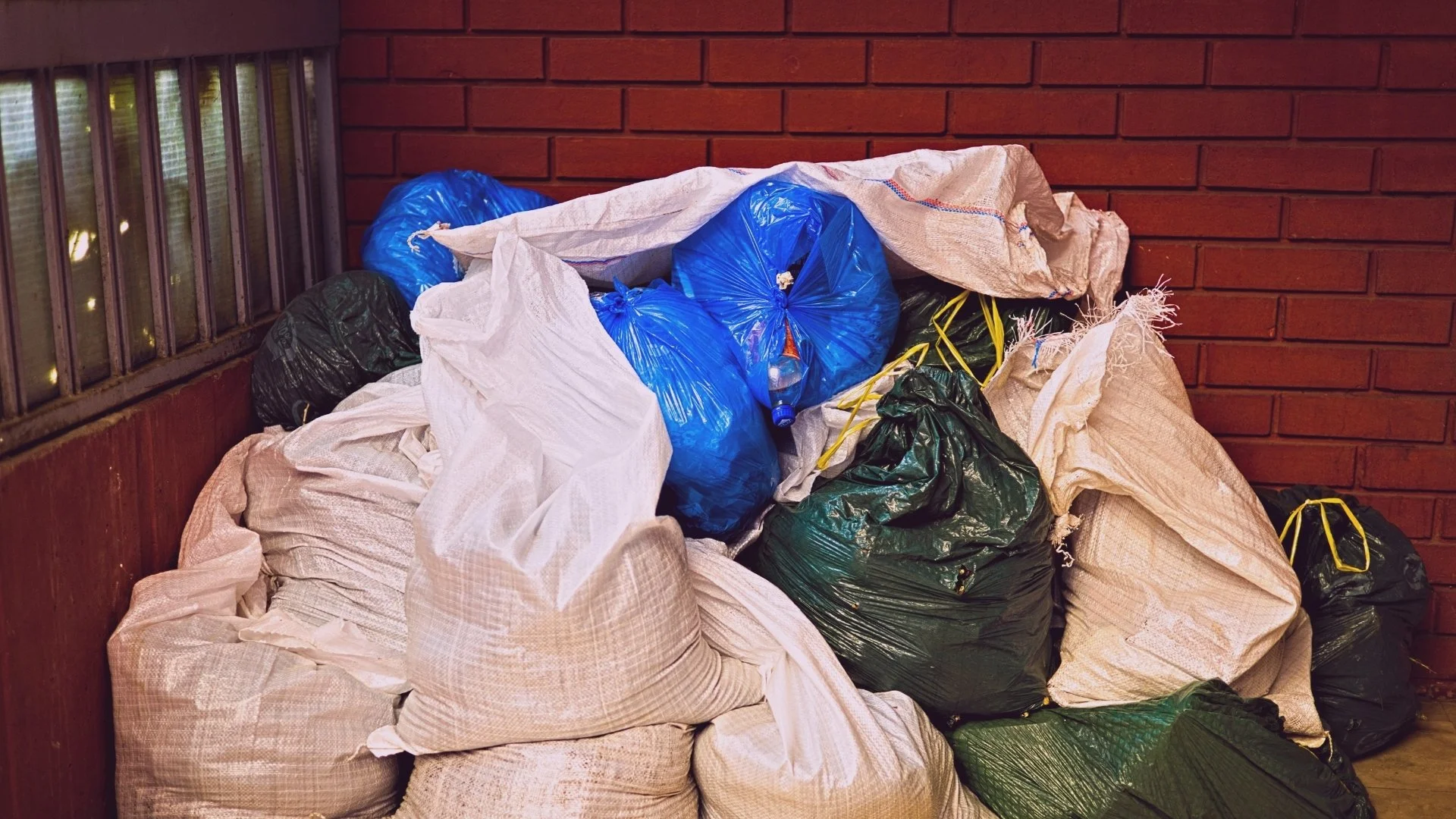
Waste generation increases as countries grow wealthier and consume more. North America generates over two kilograms of waste per person per day, while some regions in Asia generate less than half a kilogram. In highly populated regions like East and South-East Asia, the total amount of waste produced each year is extremely high.
If consumption patterns remain unchanged, global waste will nearly double by 2050, from 2.1 billion tonnes in 2020 to almost 3.8 billion tonnes. With GDP and population both rising, waste systems worldwide will face even more pressure.
What Happens to Our Waste?
In 2020, about one-third of waste ended up in landfills, while 13% was burned in waste-to-energy facilities. A concerning 38% was dumped or openly burned, uncontrolled disposal that harms the environment and health. Less than 20% was recycled or composted.
The waste management hierarchy shows the preferred approach: preventing waste first, then reducing and reusing materials, followed by recycling and recovering value before finally resorting to disposal. The higher we act in the hierarchy, the better the outcomes for society and the planet.
Why Can't Everything Be Recycled?
Recycling is limited by how products are designed. Items made from mixed materials are often too difficult or costly to separate. Additionally, when different types of waste are thrown together, sorting becomes expensive and inefficient. Proper separation of food waste and recyclables is essential for effective recycling programmes.
How Can We Reduce Our Waste?
Waste reduction starts long before disposal. It begins with product design. Products that prevent waste are durable, repairable, easy to upgrade and repurpose, and possible to dismantle for recycling. Achieving waste reduction requires coordinated action: governments must support better design, businesses must rethink how they produce goods, and consumers must choose items that minimize waste and promote reuse.
A circular economy relies on these improvements. It prioritizes keeping materials in use for as long as possible, reducing waste and emissions.
What Does Waste Management Cost?
Managing waste properly requires significant investment. In 2020, about US$250 billion was spent globally on waste collection, recycling, and facilities, an amount similar to the cost of global natural disasters. When environmental and health impacts are included, the true cost rises to US$360 billion.
Dumping and open burning may appear cheaper but cause far greater long-term damage. Research shows that providing even simple waste services saves more money and protects communities.
Scenarios for the Future
The report outlines three possible pathways:
Waste Management as Usual: Waste continues increasing, and pollution worsens.
Waste Under Control: Waste grows more slowly; universal waste collection is achieved; uncontrolled dumping ends by 2050.
Circular Economy: Waste prevention becomes a priority, less waste is produced every year, recycling improves to 60%, and disposal without treatment is eliminated globally by 2050.
How Can Our Communities Improve Waste Management?
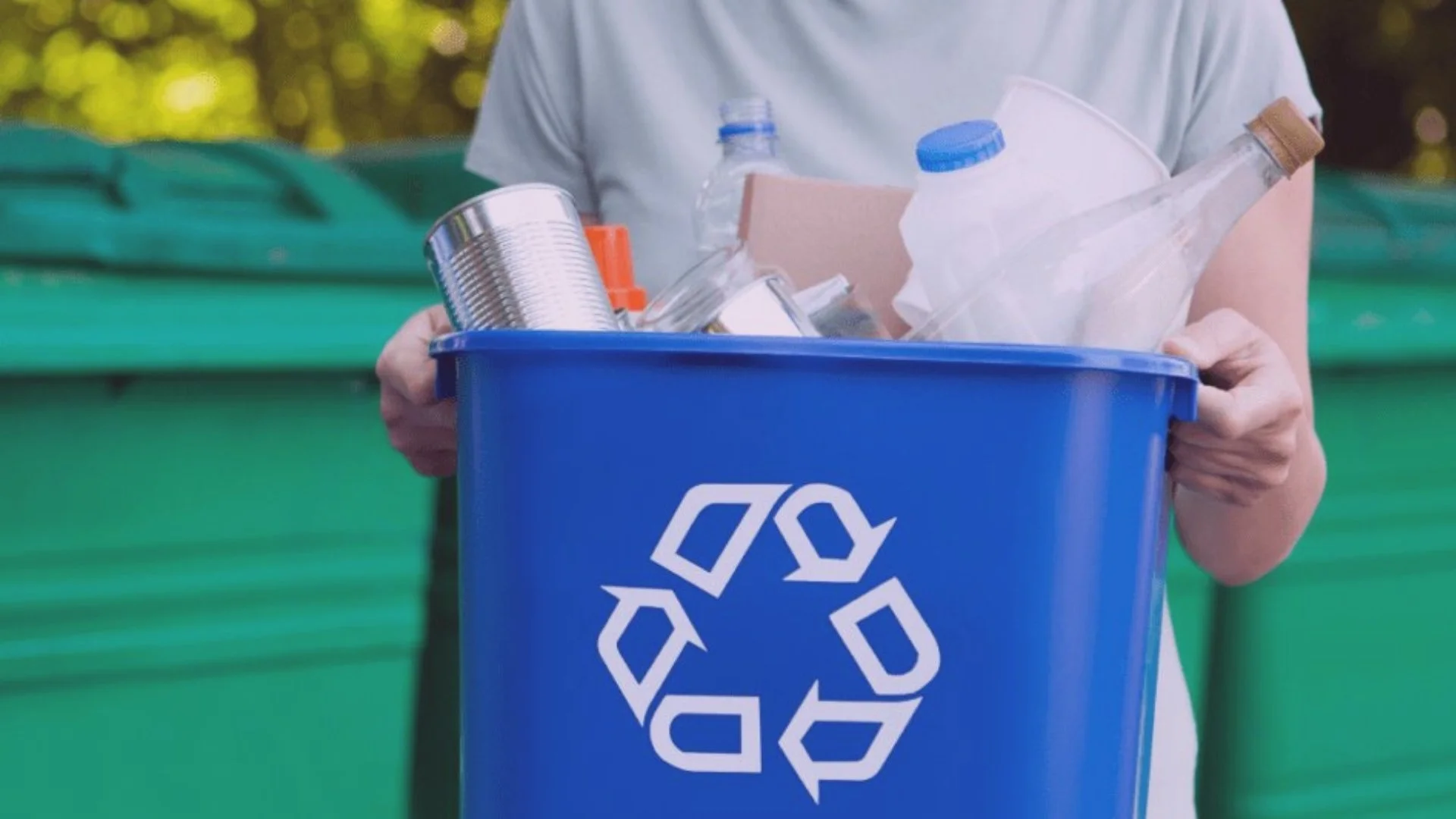
Communities need regular waste collection, nearby facilities for sorting and recycling, safe treatment for waste that cannot be recycled, financial support, strong rules preventing burning and dumping, and widespread knowledge about proper waste practices.
How Can We Make a Difference?
Engaging Governments
Youth can encourage governments to ban harmful single-use products, implement producer responsibility policies, create circular economy roadmaps, and model good behaviour by reducing waste in public institutions.
Engaging Businesses
Businesses significantly influence waste generation. By pushing companies toward refill systems and reusable packaging, large amounts of waste can be prevented.
Acting in Schools and Universities
Young people can create sustainability clubs, conduct waste audits, run awareness campaigns, and introduce composting systems. Encouraging teachers to include solid waste management and circular economy models in their lessons helps build long-term understanding.
Acting in the Community
Simple actions like organizing cleanups, carrying reusable bottles, refusing single-use plastics, and separating household waste contribute greatly to reducing pollution.
Personal Actions
Commit to Preventing Waste
Avoid unnecessary purchases, prioritize refillable options, and reuse what you already have. These small decisions collectively make a large impact.
Start a Circular Economy Business
Entrepreneurship offers many opportunities in a zero-waste world. Ideas include waste collection apps, awareness platforms, refill shops, sharing libraries, AI-driven sorting tools, and food-waste solutions like composting, biochar, insect farming, briquettes, and biogas.
Youth Leadership – The Mottainai Declaration
The Mottainai Youth Declaration represents global youth voices calling for circularity, zero waste, and strong partnerships between governments, businesses, and civil society to build an inclusive and sustainable future.
Conclusion
Young people are essential in shaping a future free from waste and environmental harm. Whether by influencing governments, creating innovative businesses, or making responsible daily choices, youth can lead the movement toward a circular, zero-waste world. The question isn’t whether change is possible—it’s where each young person will choose to begin.