
Introduction
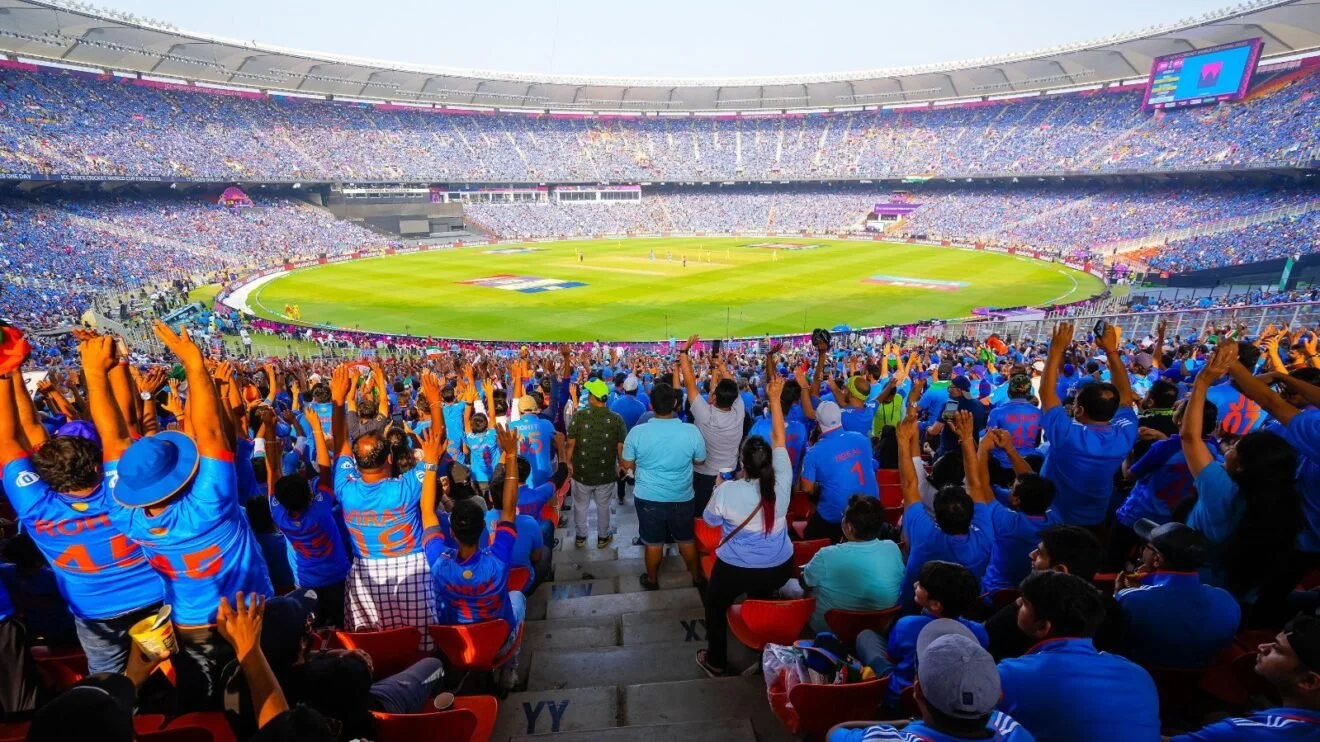
Football is the world's most popular sport, connecting billions of people across continents, cultures, and generations. Yet the game is increasingly facing a challenge that extends far beyond the pitch: climate change.
Extreme heat, floods, droughts, storms, and wildfires are already disrupting football competitions around the world. From grassroots pitches to the FIFA Men's World Cup, climate-related risks are affecting player safety, infrastructure, scheduling, and the overall future of the sport.
The 2026 FIFA Men's World Cup, hosted by the United States, Canada, and Mexico, will be the largest tournament in football history. It will also be played during what scientists describe as a critical decade for climate action. This report examines how climate risks are already affecting football and how those risks are expected to intensify in the coming decades.
The State of Play
The climate context surrounding football has changed dramatically over the past several decades.
Since Mexico hosted the Men's World Cup in 1970, global wildlife populations have declined by more than 70 percent on average. Since England won the World Cup in 1966, global temperatures have increased by approximately 1°C. Global ocean heat content has increased significantly since the late 1980s, while climate-related disasters have become increasingly frequent.
Today, atmospheric carbon dioxide concentrations are higher than at any point in the last 800,000 years. Without immediate reductions in greenhouse gas emissions, the world is likely to exceed the Paris Agreement's 1.5°C target before the 2030 Men's World Cup.
These changes are not abstract environmental statistics. They are increasingly shaping the conditions under which football is played and experienced around the world.
Football and Climate Change
Climate's Impact on Football
Football is already experiencing the effects of climate change.
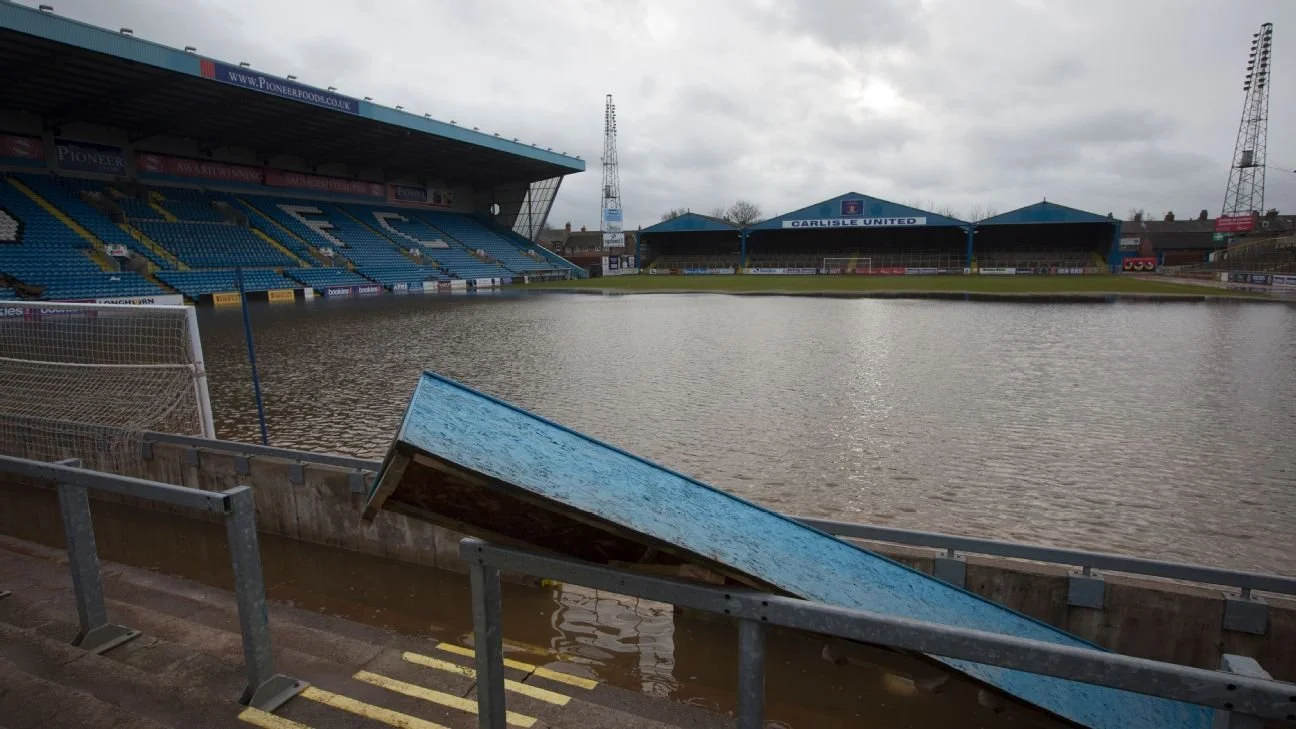
Extreme heat, floods, droughts, and wildfires are making it harder to host matches, maintain pitches, and ensure the safety of players and spectators.
In England alone, approximately 120,000 grassroots matches are cancelled every year because of adverse weather conditions. Research cited in the report indicates that one in four professional clubs could face annual flooding risk by 2050.
Recent examples demonstrate that climate-related disruptions are becoming increasingly common. Flooding postponed fixtures in Valencia, Spain. Hurricane Milton and California wildfires affected professional football competitions in the United States. Major tournaments, including the African Cup of Nations and FIFA competitions, have experienced disruptions linked to unsafe weather conditions.
The report argues that climate change is no longer a future threat to football. It is a present reality.
Football's Impact on the Planet
Football is not only affected by climate change; it also contributes to it.
The sport's environmental footprint includes stadium operations, fan travel, merchandising, food consumption, and tournament logistics. One estimate cited in the report suggests that football generates approximately 66 million tonnes of carbon dioxide annually, roughly equivalent to the annual emissions of Austria.
Football as a Climate Solution
Despite these challenges, football possesses a unique opportunity to drive positive change.
With an estimated five billion fans worldwide, football has the capacity to shape public attitudes, influence behaviour, and mobilize action on climate issues. Clubs, federations, players, and supporters increasingly have opportunities to contribute to climate solutions through advocacy, sustainability initiatives, and operational reforms.
Why This Report Matters
The 2026 FIFA Men's World Cup will be unprecedented in scale.
The tournament will feature:
48 national teams
104 matches
16 stadiums
Three host countries
Four time zones
Millions of travelling supporters
The tournament is expected to become the most-watched World Cup in history.
The report argues that the event will also be one of the most environmentally and operationally complex tournaments ever staged. Host cities will experience vastly different climate conditions, ranging from the arid heat of Monterrey and Guadalajara to the more temperate environments of Vancouver and Toronto.
Against a backdrop of rising global temperatures, increasing droughts, and more frequent extreme weather events, the 2026 tournament provides a unique opportunity to examine football's vulnerability to climate change.
Research Scope and Methodology
The report analysed 36 football-related sites worldwide, including:
All 16 host stadiums for the 2026 FIFA Men's World Cup
Santiago Bernabéu Stadium in Madrid (2030 World Cup venue)
King Salman International Stadium in Riyadh (2034 World Cup venue)
18 grassroots football pitches associated with legendary footballers
The analysis utilized Jupiter Intelligence's ClimateScore Global platform and assessed climate risks under the SSP5-8.5 high-emissions scenario.
Three time horizons were examined:
2025
2050
2100
The study focused on three major categories of climate risk:
Extreme Heat
The report assessed Wet Bulb Globe Temperature (WBGT), a measure that incorporates temperature, humidity, sunlight, and wind.
Thresholds were defined as:
Playable conditions
Disrupted conditions requiring adaptation
Unplayable conditions where player and spectator safety is compromised
Drought and Water Stress
The study examined water demand relative to available water supply, recognizing that water scarcity affects pitch maintenance, cooling systems, and local communities.
Extreme Weather Events
The report analysed:
Extreme rainfall
Flooding
High winds
Storm-related disruptions
These hazards were evaluated through projected 100-year weather events.
Climate Risks Facing World Cup Stadiums
The report finds that climate risks are increasing across nearly all host venues.
Key Findings

Extreme Heat
By 2050:
14 of the 16 World Cup stadiums are projected to experience days exceeding the 32°C WBGT threshold.
11 of the 16 stadiums are projected to exceed the 35°C WBGT threshold considered unsafe for outdoor play.
These conditions increase the likelihood of heat-related illness, reduced performance, scheduling disruptions, and spectator safety concerns.
Water Stress
Nearly one-third of World Cup stadiums are projected to face water demand equal to or greater than available supply by 2050.
This creates significant challenges for pitch maintenance, cooling systems, and long-term operations.
Flooding and Storms
Six stadiums are projected to face flood depths ranging from one to 2.2 metres during major storm events by mid-century.
The report notes that these risks threaten:
Stadium infrastructure
Transportation systems
Emergency access
Spectator safety
Match scheduling
Economic Costs
Projected annual flood-related losses across tournament stadiums are expected to increase from approximately $11 million in 2025 to more than $15.5 million by 2050.
Annual wind-related losses are projected to increase from approximately $7 million to $7.7 million during the same period.

Stadium Case Studies
Toronto – BMO Field
Toronto's BMO Field is expected to experience a significant increase in heat-related risks.
The number of days exceeding the 32°C WBGT threshold is projected to rise from four days annually in 2025 to fourteen days by 2050.
Water stress is also expected to intensify, with demand projected to match available supply by mid-century.
Extreme rainfall and wind events are expected to become more severe, increasing risks to stadium operations and surrounding infrastructure.
Vancouver – BC Place
Unlike many other venues, Vancouver is not expected to exceed critical WBGT thresholds by 2050.
However, the city is projected to experience more frequent extreme temperatures and stronger storm events.
Projected rainfall during extreme events is expected to increase significantly, creating additional operational challenges.
Guadalajara – Estadio Akron
Heat-related risks are projected to increase dramatically.
Days exceeding the 32°C WBGT threshold are expected to increase from one day per year to nine days annually by 2050.
Water stress is also projected to rise substantially, while extreme rainfall and wind events are expected to exceed playable conditions.
Mexico City – Estadio Azteca
Although WBGT thresholds are not expected to be breached, the number of exceptionally hot days is projected to more than double.
The venue faces severe water stress, with demand expected to exceed supply by more than ten times.
Extreme rainfall and wind events are also projected to intensify.
Monterrey – Estadio BBVA
Monterrey emerges as one of the most climate-exposed host cities.
By 2050:
108 days annually are projected to exceed 32°C WBGT.
29 days annually are projected to exceed 35°C WBGT.
These conditions present significant challenges for player safety, scheduling, and tournament operations.
Implications for Football
The report argues that climate change is no longer a peripheral issue for football governance.
The risks identified affect:
Player health and safety
Match scheduling
Infrastructure resilience
Fan experience
Economic sustainability
Tournament planning
The challenge extends beyond elite competitions and affects football at every level, including grassroots participation and community facilities.
Conclusion
The 2026 FIFA Men's World Cup will be the largest tournament in football history. It will also take place during a period of unprecedented climate uncertainty.
The findings presented in Pitches in Peril demonstrate that climate risks are already affecting football infrastructure and operations across multiple regions. By 2050, many of these risks are expected to intensify substantially, particularly in relation to extreme heat, water stress, flooding, and severe weather events.
Football's global influence provides a unique opportunity to raise awareness and accelerate climate action. However, the report makes clear that awareness alone will not be sufficient. Protecting the future of football will require adaptation, resilience planning, and meaningful action across all levels of the game.
The future of football is inseparable from the future of the climate.