Malta, 12–14 May 2026
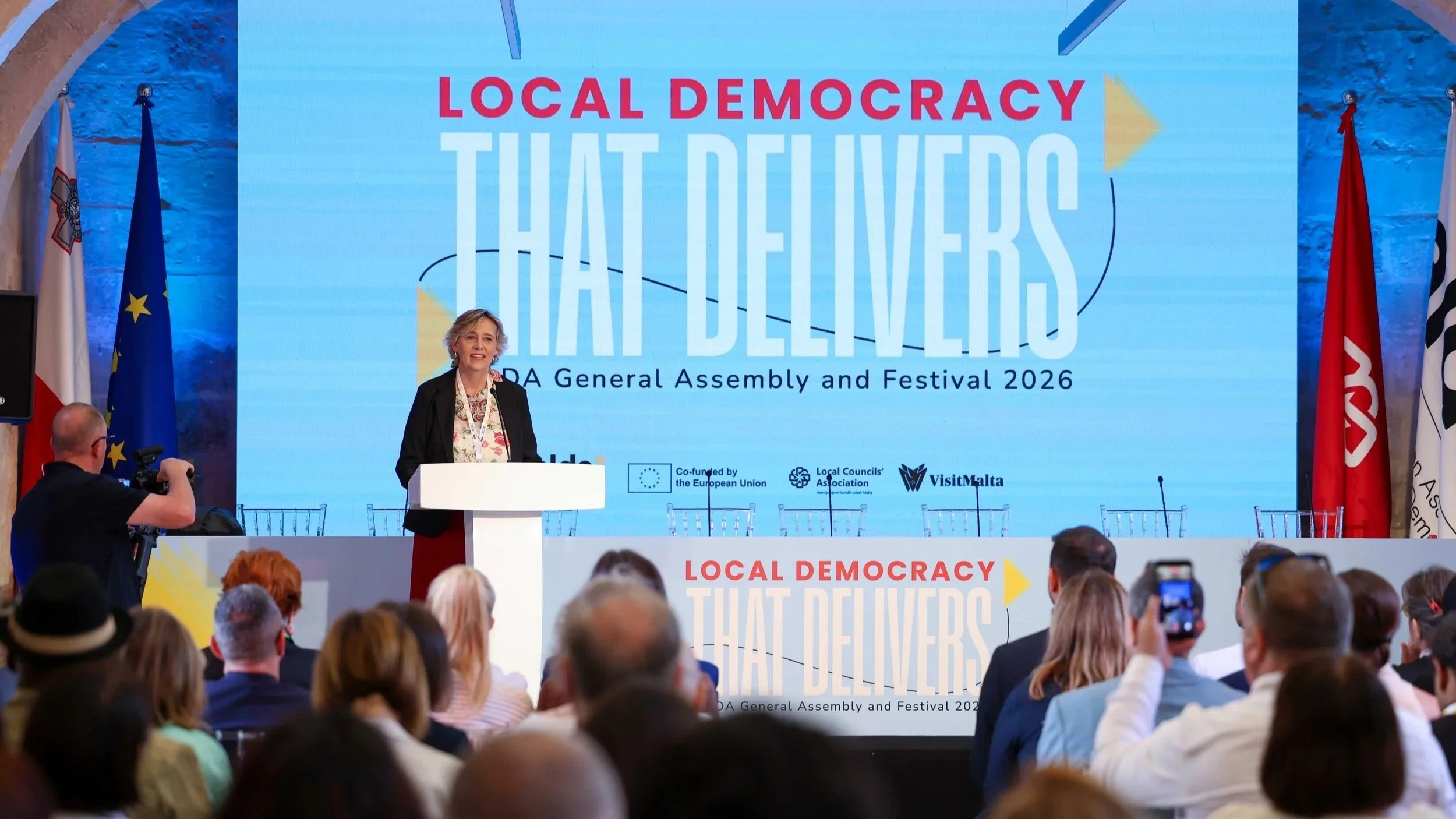
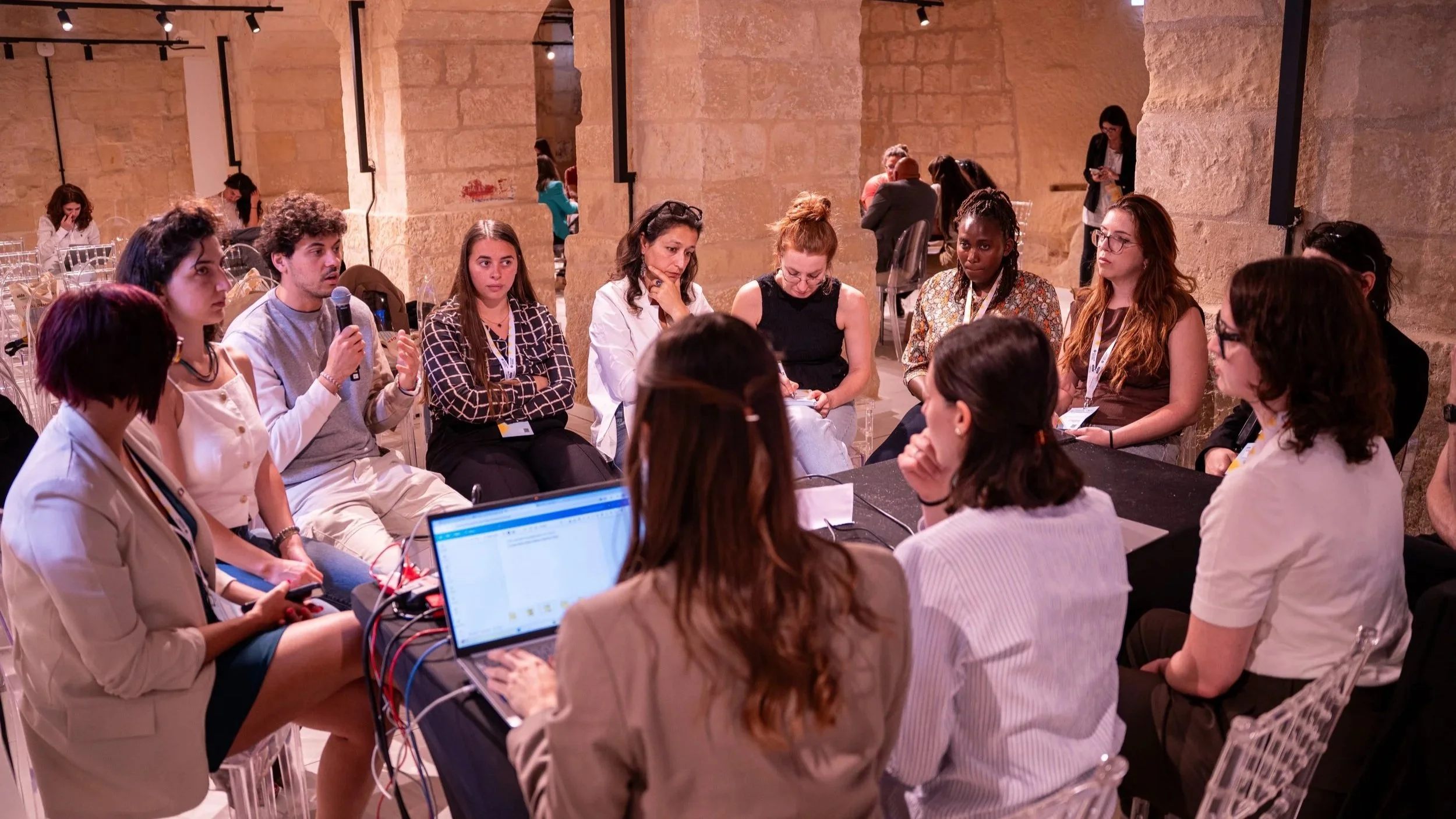
The ALDA General Assembly and Festival of Democracy 2026, hosted at the Malta International Contemporary Arts Space (MICAS), convened hundreds of representatives from local authorities, civil society organizations, youth networks, and democratic practitioners under the theme Local Democracy that Delivers. Co‑organized with the Local Councils’ Association Malta, the Festival provided a vibrant platform for dialogue, collaboration, and innovation.
The Youth Café, represented by Esther Nora Kasee, joined this global gathering to amplify African youth voices and showcase innovative approaches to civic participation and democratic resilience. More importantly, the event demonstrated how African youth organizations are shaping global democratic agendas and advancing inclusive governance.
Day 1 – Inspiring Start: Inclusion, Youth, and Resilience
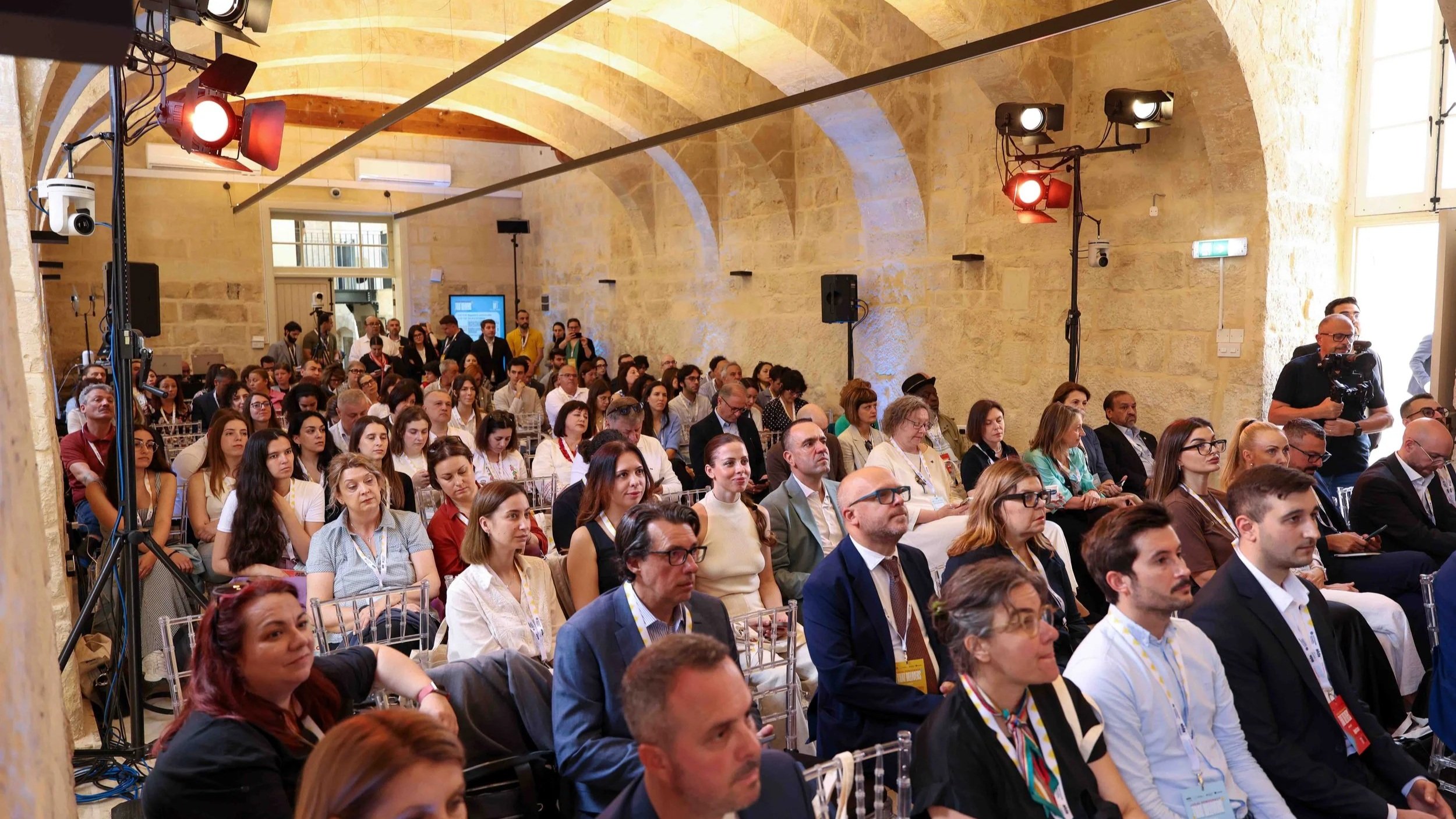
Day One marked a vibrant and inspiring start to the Festival. Delegates from across Europe, Africa, and beyond came together to exchange ideas, experiences, and innovative approaches for strengthening local democracy and citizen participation. The atmosphere was one of collaboration and shared purpose, as participants reflected on how local communities can reinforce democratic resilience in times of growing uncertainty while addressing major societal challenges through inclusive governance and active civic engagement.
The sessions explored themes of sustainable urban governance in the context of the Twin Transition, gender diversity and inclusion within local institutions, and migration governance. Discussions also highlighted innovative youth participation methodologies across different regions, showcasing how young people are shaping democratic practices in diverse contexts. Ukrainian experiences in local democracy provided inspiring lessons on resilience and innovation under extraordinary circumstances, while conversations around eco‑anxiety opened new pathways for collective community responses to climate‑related stress.
The Gender and Inclusion Workshop stood out as a critical moment, focusing on barriers to gender inclusion data and identifying actionable solutions. Participants reflected on underrepresentation of marginalized groups, structural inequalities, and gaps in policy implementation. Immediate actions emphasized strengthening community engagement, improving data collection methods, and enhancing collaboration among stakeholders. Long‑term proposals called for policy reforms, institutional accountability, and sustainable inclusive systems that support gender‑responsive and intersectional approaches in governance.
Regional workshops provided a platform for showcasing youth engagement best practices. The Youth Café shared innovative approaches from Africa, highlighting civic participation models, leadership development initiatives, and inclusive community action. These exchanges underscored the transformative role of youth‑led initiatives in creating civic spaces, strengthening digital engagement, and building partnerships that place young people at the center of governance and development.
Day 2 – General Assembly and Study Visits
The second day was dedicated to the formal proceedings of the General Assembly, where ALDA members deliberated on strategic priorities for local democracy. This session reinforced the importance of collective action in strengthening democratic institutions and advancing inclusive governance across regions.
The day also featured study visits that provided participants with practical insights into how local institutions are innovating to address contemporary challenges. The environmental study visit explored community‑based approaches to sustainability and resilience, offering lessons on how local actors can integrate climate action into democratic practices. The youth study visit highlighted models that empower young people through education, health, and civic engagement, demonstrating the importance of investing in youth services as a cornerstone of democratic resilience. The artificial intelligence study visit examined the role of emerging technologies in enhancing democratic participation and governance, opening new conversations about how digital innovation can be harnessed responsibly to strengthen democracy.
For African youth organizations, these visits were particularly valuable, offering practical lessons on integrating technology, sustainability, and inclusive service delivery into local democratic practices. The day concluded with the launch of the Centre of Expertise, a milestone for knowledge sharing and capacity building that promises to strengthen collaboration across regions.
Day 3 – Shaping the Future of Youth Participation
The final day of the Festival spotlighted the future of youth in governance. Participants co‑designed ALDA’s Youth Political Agenda 2026–2028, ensuring diverse regional perspectives—including Africa’s—were represented. This process underscored the importance of youth voices in shaping democratic priorities and provided a roadmap for advancing meaningful youth participation in governance over the coming years.
Sessions explored the challenges and opportunities of artificial intelligence in local governance, examining how technology can be both a tool and a challenge for democratic participation. Discussions on water governance emphasized the importance of engaging communities in sustainable management of water resources, linking environmental stewardship with democratic accountability. The session on local democracy shaping Europe’s enlargement highlighted the role of local institutions in continental integration, while workshops on partnerships and networking created opportunities for collaboration across regions.
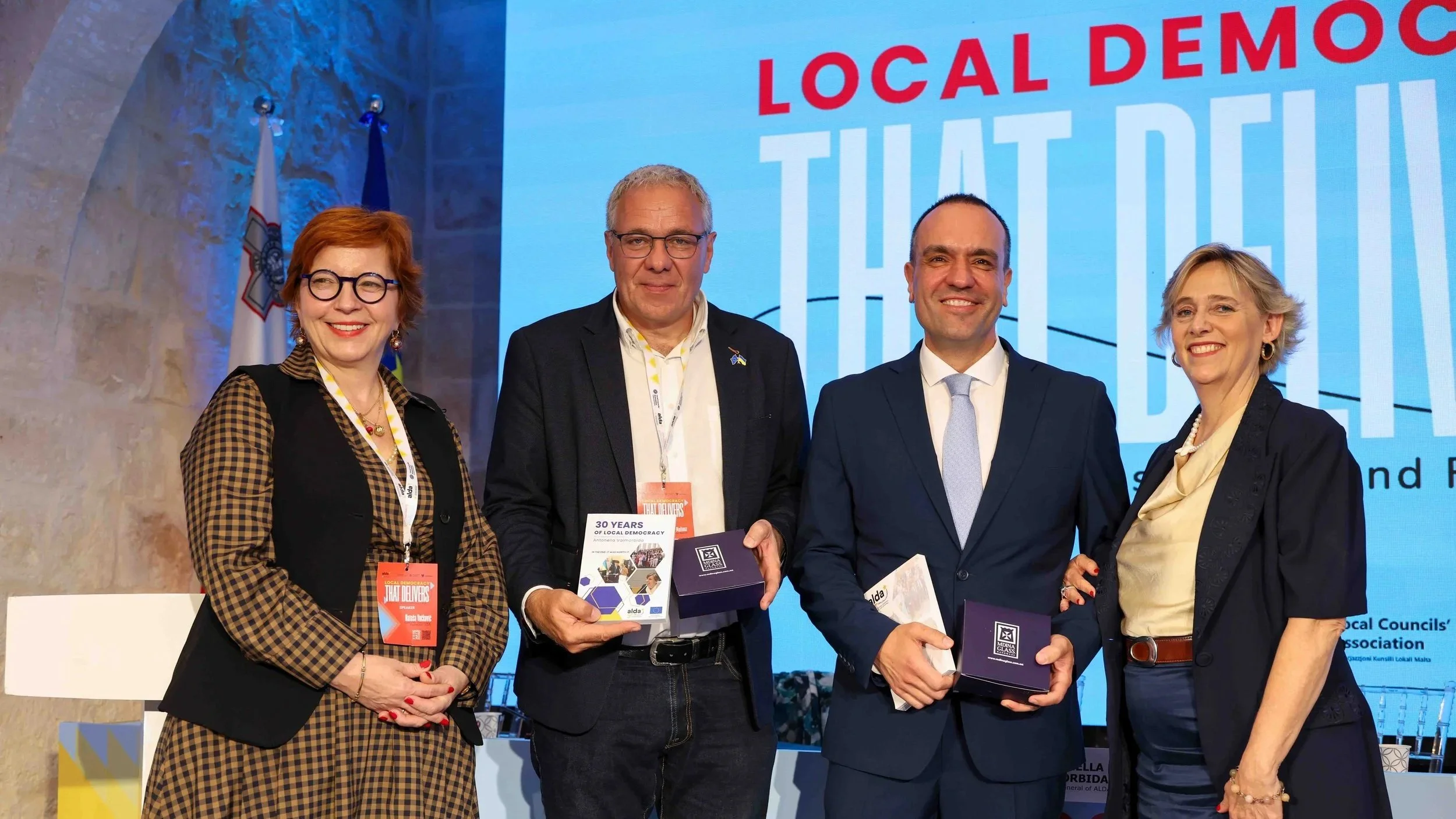
A significant highlight was the signature ceremony between ALDA and ICLEI, which underscored the importance of partnerships in advancing local democracy and sustainability. The Festival concluded with renewed energy and a collective commitment to strengthening democratic resilience, leaving participants inspired and motivated to continue their work in local communities.
Impact on Africa’s Youth Engagement and Empowerment
Africa’s participation in Malta reaffirmed the continent’s growing role in global democratic conversations. The Youth Café’s contributions demonstrated how African youth are:
Driving civic innovation through digital engagement and grassroots leadership.
Advancing gender equality by promoting inclusive data systems and intersectional governance.
Strengthening resilience in local communities through climate action and accountability.
Building global partnerships that connect African youth voices to international decision‑making platforms.
The Festival provided African youth organizations with a platform to exchange experiences, learn from global peers, and showcase best practices that can be scaled across regions. It reinforced the importance of youth‑led initiatives in shaping inclusive democracies that deliver tangible outcomes for communities.
Conclusion
The ALDA General Assembly and Festival 2026 was more than an international gathering—it was a powerful affirmation that local democracy thrives when youth are at the center of governance. For Africa, the event highlighted the continent’s capacity to contribute meaningfully to global democratic resilience, while also drawing lessons that can strengthen local institutions and empower young people.
Through its participation, The Youth Café reaffirmed its commitment to advancing inclusive democracy, meaningful youth participation, and gender equality. By engaging in Malta, African youth voices were amplified, global partnerships were strengthened, and new pathways were created for youth empowerment across the continent.