On 23 June 2026, young people from across Nairobi came together for a half-day offline testing session under the Safe Migration Information and Training (SAFE-MIT) Project. The engagement marked a significant milestone as the project approaches its conclusion, providing an opportunity to gather direct feedback from young people on the effectiveness of migration-related messaging shared through social media platforms.
SAFE-MIT is a project designed to equip young people with knowledge on the risks of irregular migration and human trafficking while promoting safe and informed migration pathways. The project is funded by the European Union, contracted by the International Centre for Migration Policy Development (ICMPD) through the MMD Grant Facility, and implemented by Seefar Foundation in partnership with The Youth Café in Kenya.
The offline testing session was informed by the understanding that effective communication requires more than simply creating content, it requires listening to the intended audience and understanding how they perceive, interpret, and respond to different messages. Through this engagement, the project sought to identify the types of social media content that young people trust, relate to, and find useful in influencing decisions on migration.
Participants were recruited through an open call for applications shared across digital platforms and youth networks. Interested young people completed an online registration form expressing their willingness to participate in the exercise. The selection process aimed to bring together diverse perspectives from young people residing in Nairobi while also reflecting experiences and viewpoints representative of different parts of the country. Transport facilitation was provided to ensure meaningful participation and accessibility.
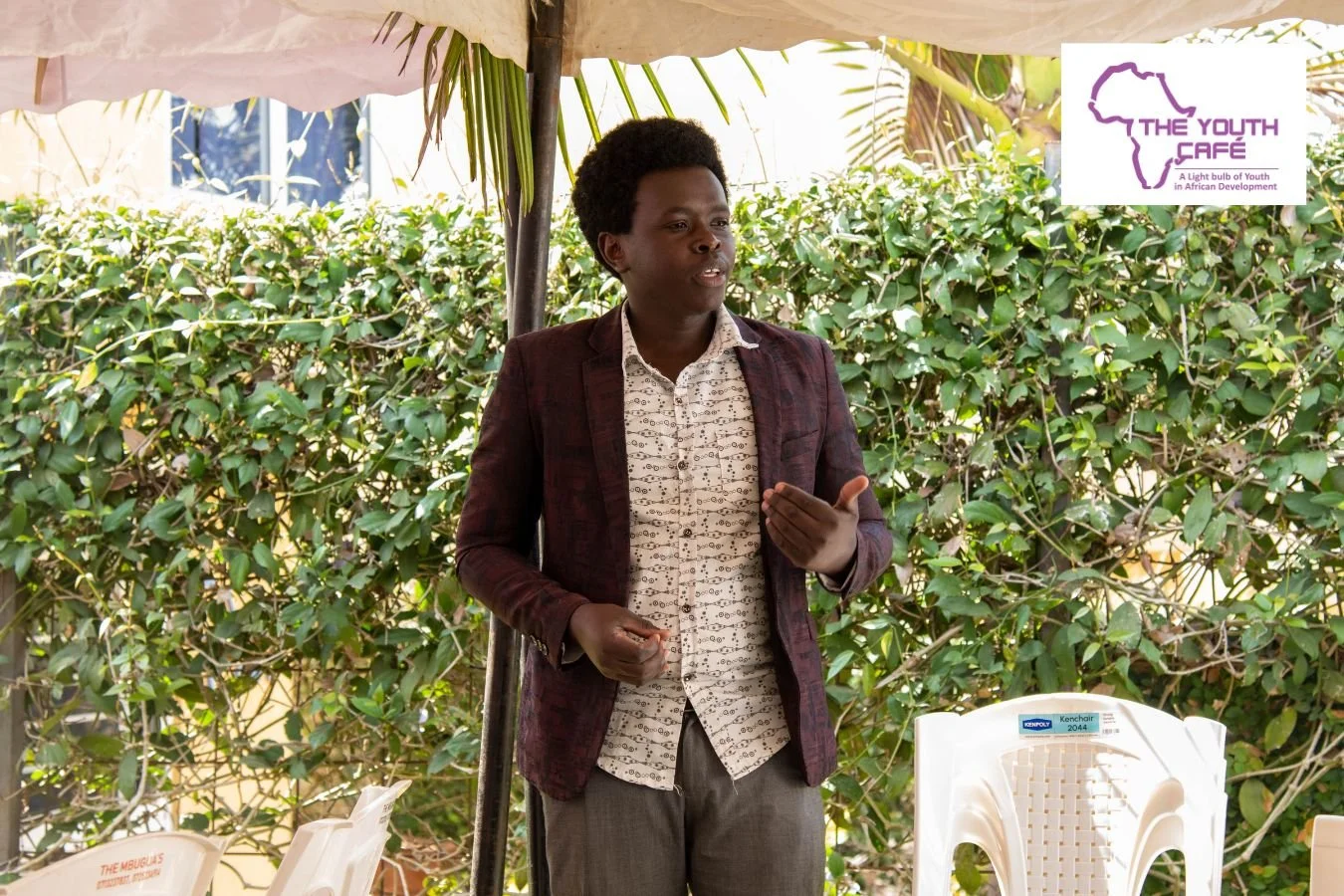
The session began with an informal settling-in period that allowed participants to interact and familiarize themselves with one another before the day's activities commenced. This was followed by an introductory session led by Stanley Mbogo, Communications Officer for the SAFE-MIT Project, who also served as the moderator for the event. During this session, participants were introduced to the SAFE-MIT Project, its objectives, and the purpose of the offline testing exercise. The discussion set the stage for a collaborative and engaging day, emphasizing the importance of youth perspectives in shaping communication strategies on safe migration.
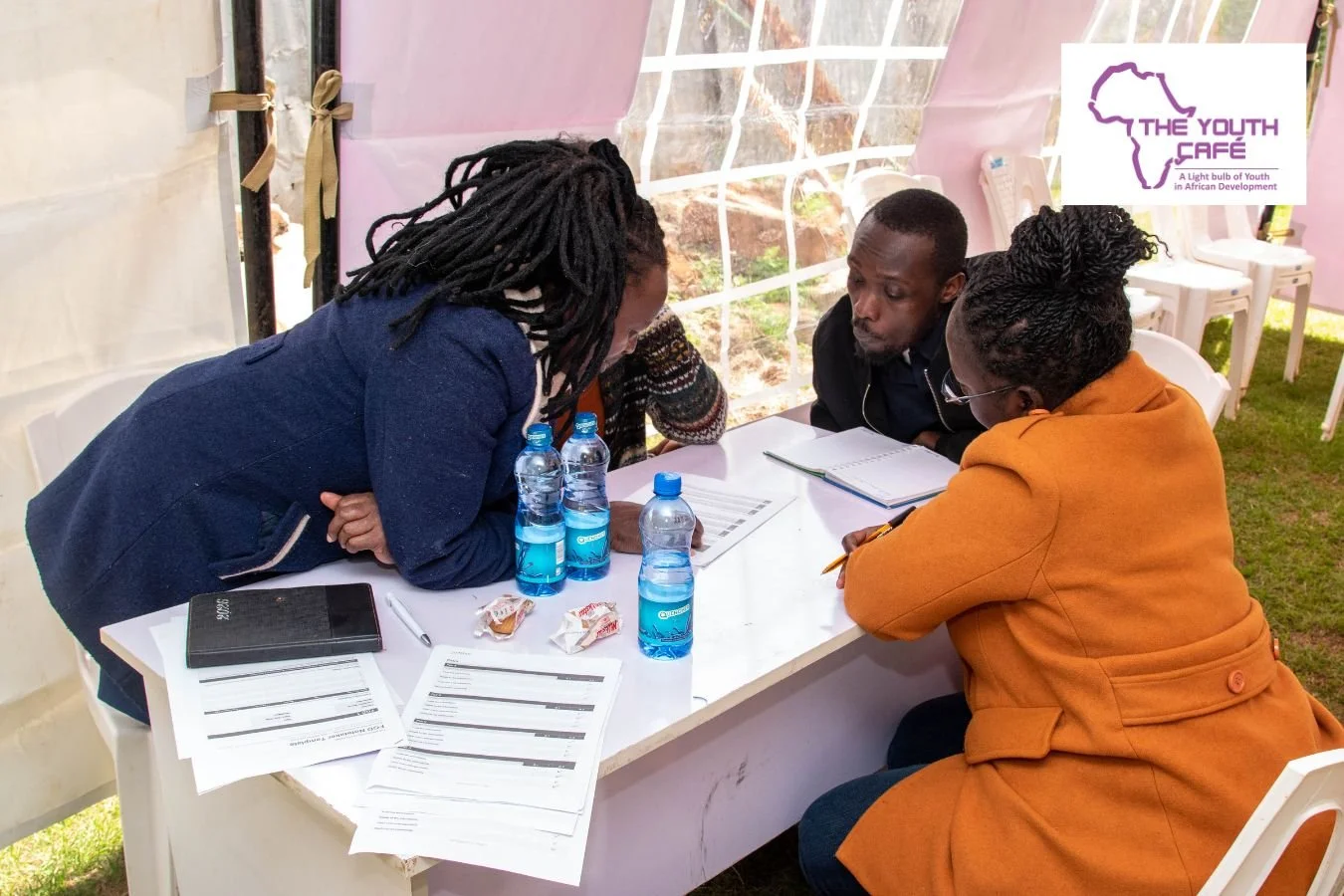
The second phase of the event focused on presentations and designed to assess participants' reactions to existing migration-related social media content. Participants were presented with five different social media posts and asked to evaluate each one using a structured rating framework. The assessment focused on four key dimensions: the extent to which they trusted the information presented, how relatable they found the content, whether the message was clear and easy to understand, and whether they considered it useful to their community.
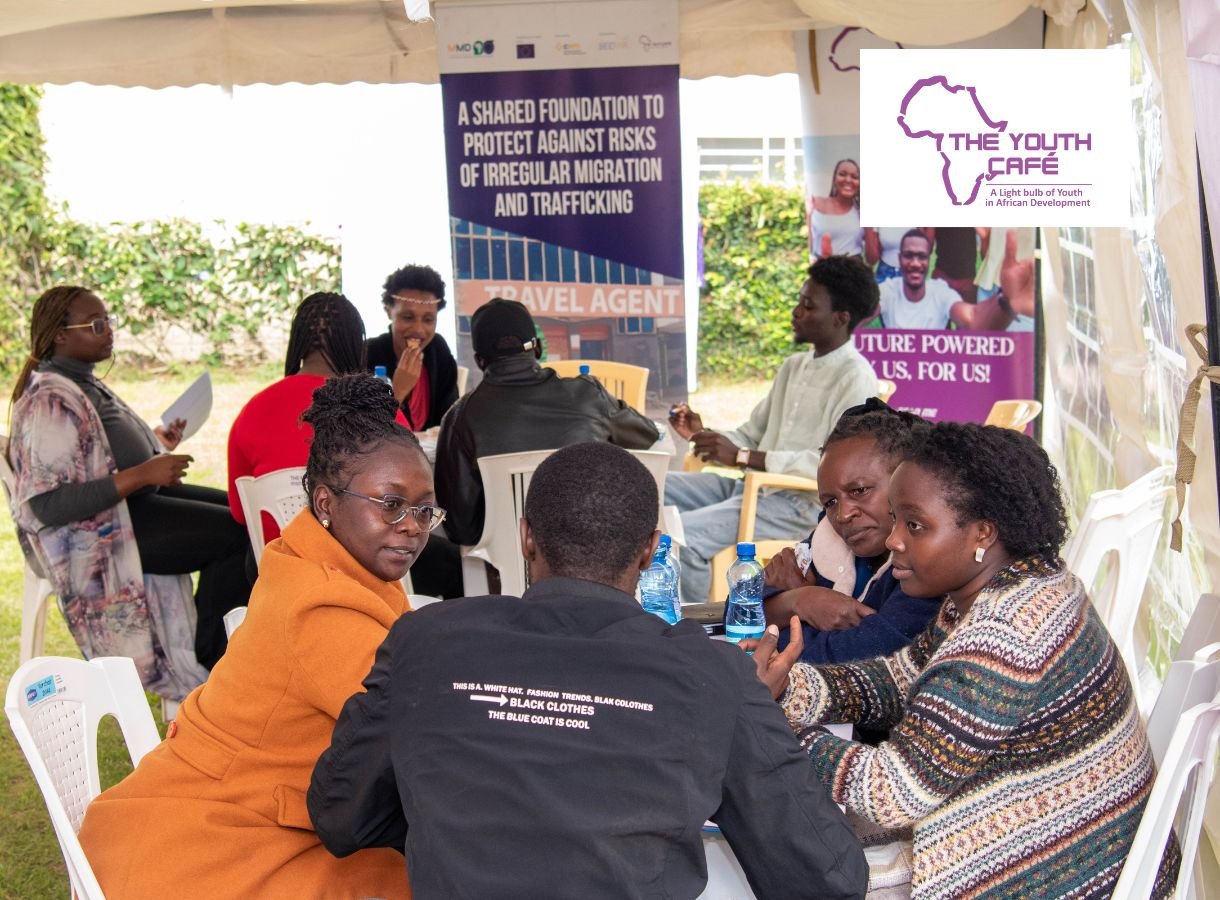
This exercise generated valuable insights into the elements that contribute to effective communication and highlighted the factors that influence audience engagement and trust. By evaluating content through the lens of their own experiences and perspectives, participants provided practical feedback on what makes migration-related messaging resonate with young audiences.
The session also incorporated an A/B testing exercise, a widely used communication and marketing evaluation method. Participants were presented with five pairs of social media posts and asked to compare the alternatives using the same assessment criteria. This process enabled the project team to better understand audience preferences and identify which messaging approaches, visual styles, and storytelling techniques were most effective. The exercise provided evidence-based insights into how communication products can be refined to improve their impact and relevance.
A key highlight of the event was the Focus Group Discussion (FGD) session, which provided an opportunity to explore participants' views in greater depth. Participants were divided into three separate discussion groups, each guided by a trained moderator. The discussions aimed to understand how target audiences perceive and respond to migration-related content produced under the safe mit project, probe the results emerging from the online and offline A/B testing exercises, explore why certain communication approaches performed better than others, surface qualitative insights on trust, messaging clarity, and content preferences, and assess the overall utility of the content presented during the session.
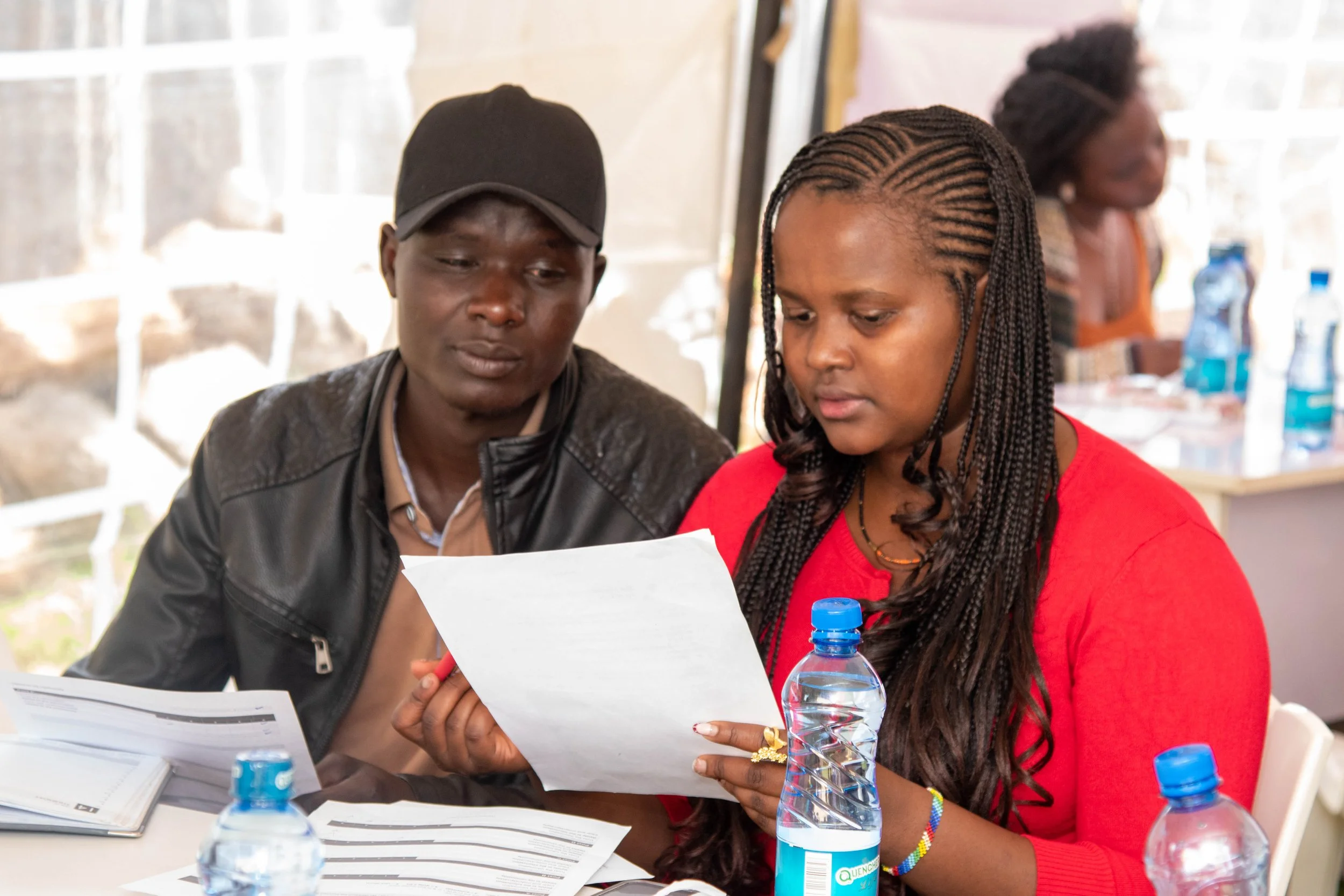
The focus group discussions were moderated by SAFE-MIT Education Outreach Officers representing different counties: Jack Mayenga from Kiambu County, Luciah Mwendwa from Kajiado County, and Sylvia Akinyi from Nairobi County. Their facilitation encouraged open and honest dialogue, enabling participants to share experiences, perspectives, and recommendations on how migration messaging can better connect with young audiences. Each discussion group was supported by a dedicated note-taker responsible for documenting key observations, reflections, and recommendations emerging from the conversations.
The discussions were further enriched by the inclusion of real-life migration case studies. Participants had the opportunity to hear from individuals who had experienced both regular and irregular migration pathways. These firsthand accounts provided practical insights into the realities, opportunities, risks, and challenges associated with migration. By grounding the discussions in lived experiences, the session fostered a deeper understanding of migration issues and strengthened participants' ability to critically evaluate the messages presented.
The offline testing exercise ultimately demonstrated the value of involving young people directly in the design and evaluation of communication initiatives. The feedback generated throughout the day offered important lessons on trust-building, message clarity, content relevance, and audience engagement. These insights will play a critical role in informing future safe migration campaigns and ensuring that communication products are better aligned with the needs and preferences of young people.
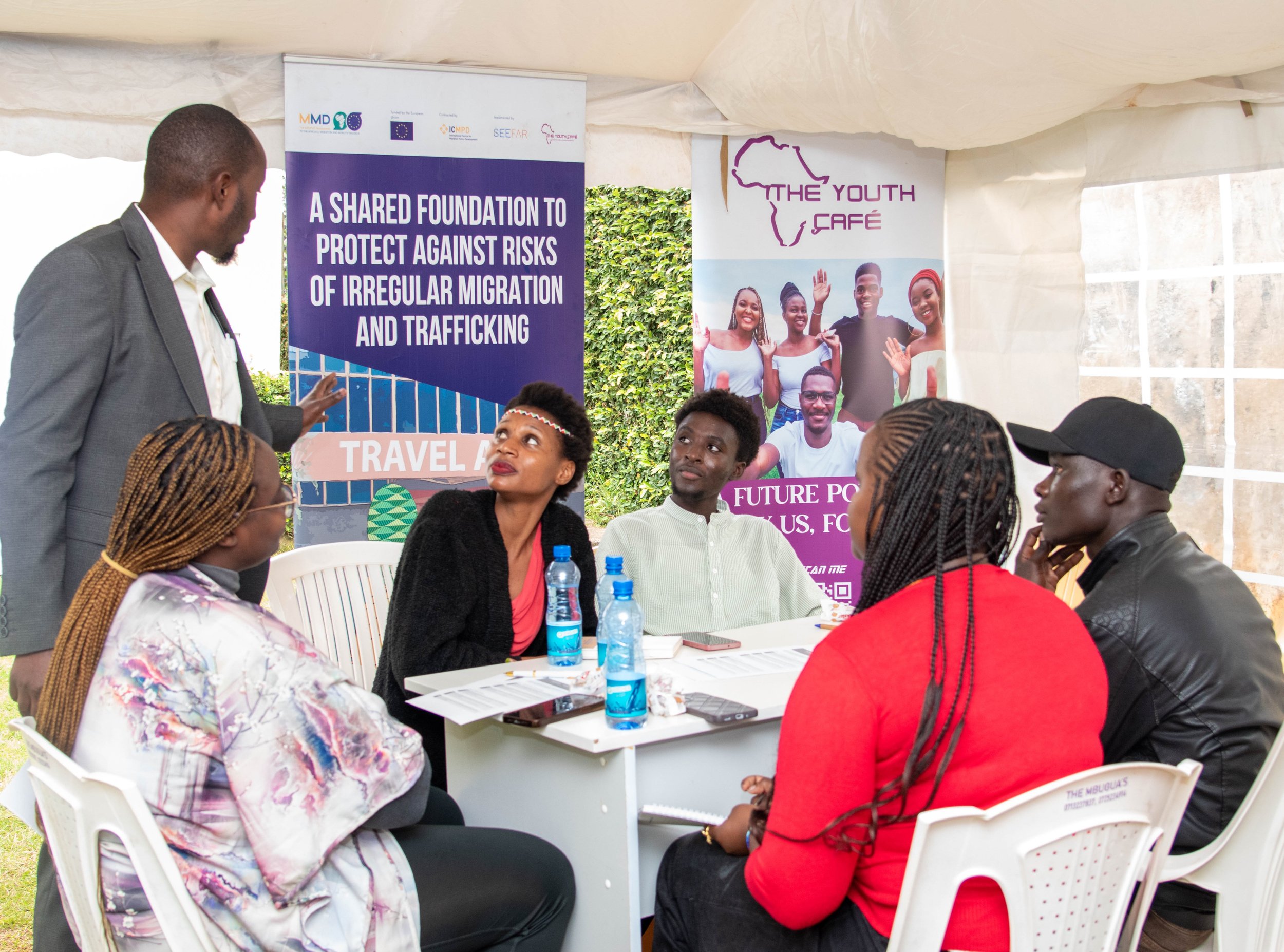
The event concluded with closing remarks delivered by Emily Nawanga, Education Outreach Expert for the SAFE-MIT Project, who thanked participants for their active engagement and emphasized the importance of youth participation in shaping interventions that affect their lives. Mumbiko Kingori, the SAFE-MIT Project Coordinator in Kenya, also shared his reflections on the significance of the exercise and the contribution of young people in strengthening migration awareness efforts.
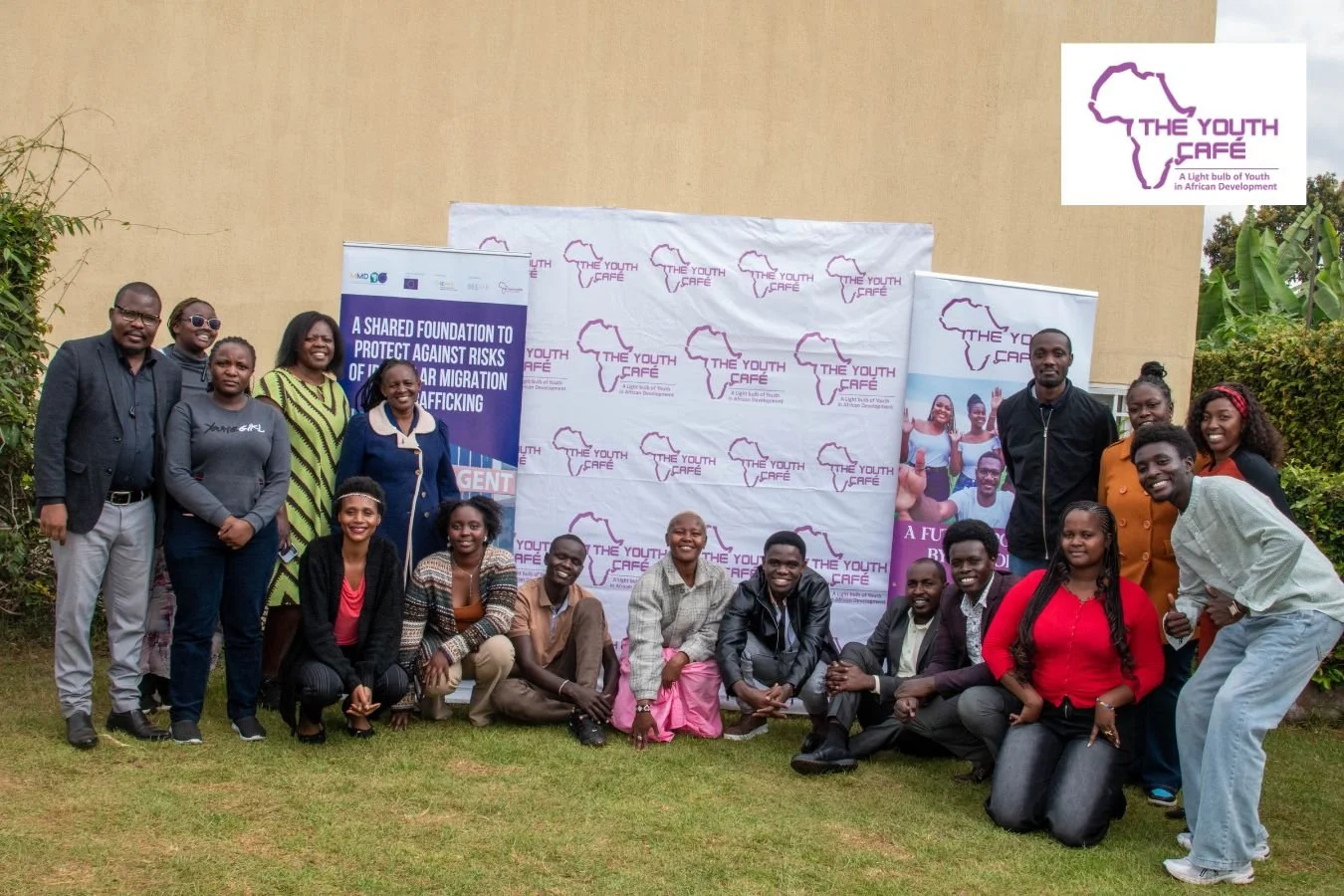
Following the formal sessions, participants gathered for a group photo session, lunch, and networking activities, providing an opportunity to continue conversations, build connections, and reflect on the day's discussions.
As the SAFE-MIT Project nears its completion, the offline testing session stands as a testament to the importance of listening to young people and incorporating their voices into communication and development programming. By engaging youth as active contributors rather than passive recipients of information, the project has generated valuable evidence that will help shape more effective, relatable, and impactful migration messaging in the future